

Frederick Lynch
Saco, ME
Frederick Lynch (1935–2016) was a celebrated Maine artist whose work explored the intersection of nature, structure, and abstraction. Known for his intricate compositions and sophisticated use of color, Lynch developed a distinctive visual language inspired by the patterns and systems found in the natural world. Over a career spanning more than five decades, he became one of Maine’s most respected abstract painters.
A dedicated educator as well as an accomplished artist, Lynch taught at the University of Southern Maine and influenced generations of emerging artists. His work is represented in numerous public and private collections, including the Portland Museum of Art, the Farnsworth Art Museum, and the Museum of Fine Arts, Boston.
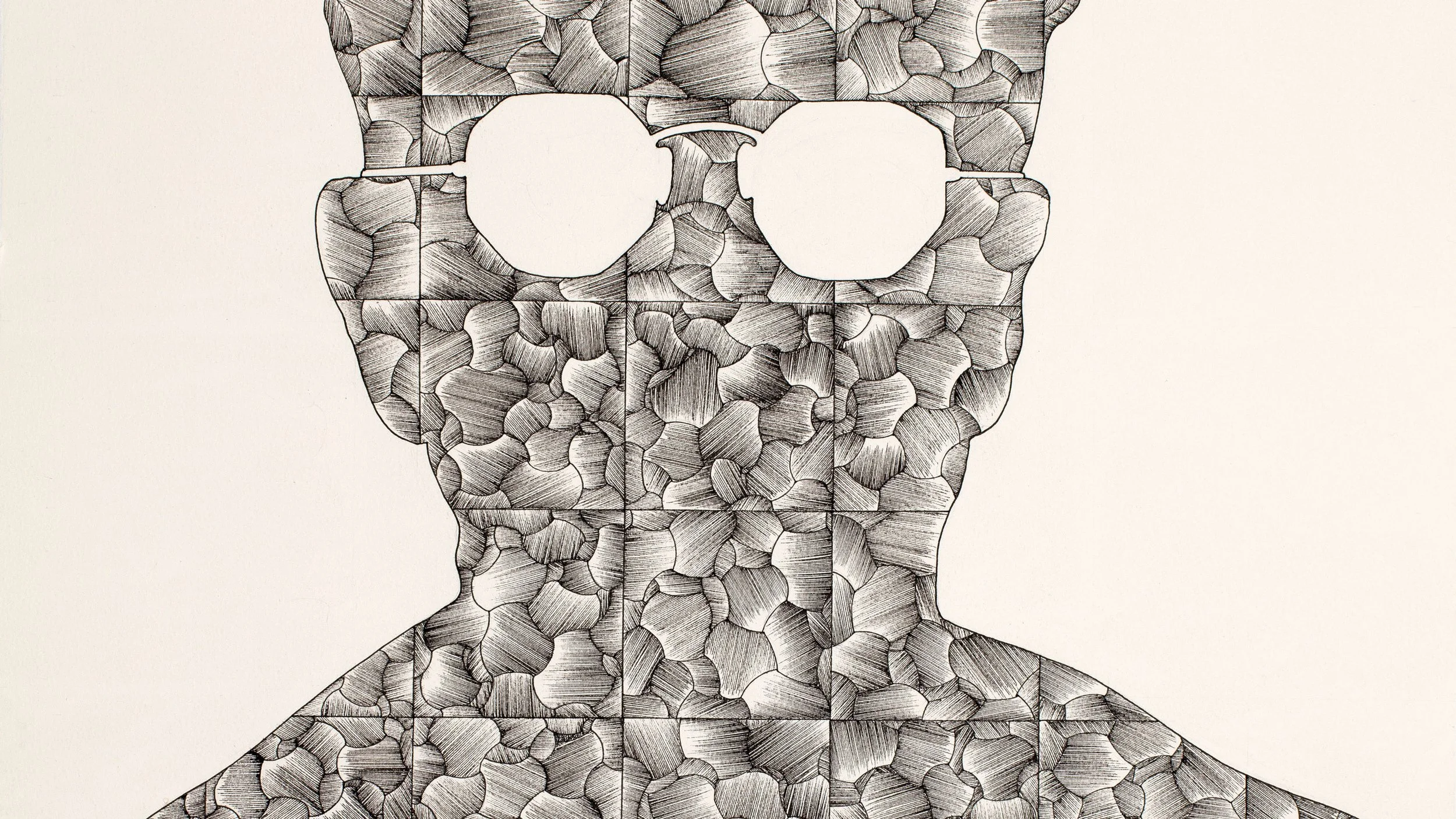
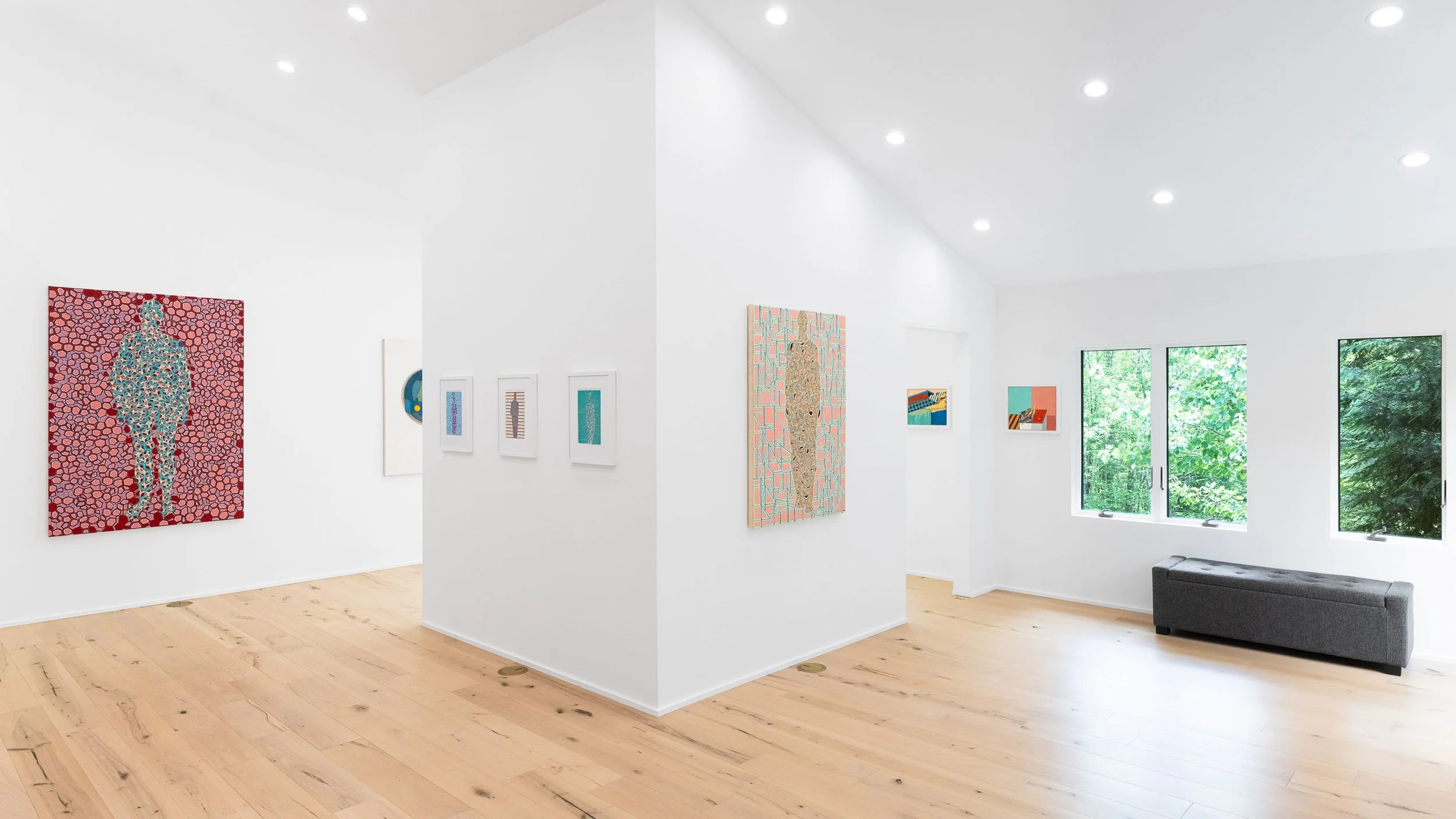
Among his most compelling late works is the Divided Man series, created during his battle with cancer. In these deeply personal paintings, Lynch combined figurative imagery with the abstract forms that had long defined his practice, exploring themes of mortality, resilience, and the fragmentation of self. The series stands as a powerful reflection on the human condition and a poignant culmination of his lifelong artistic inquiry.
Through his thoughtful and innovative approach to painting, Lynch created a lasting legacy that continues to inspire viewers and artists alike.
Selected Works
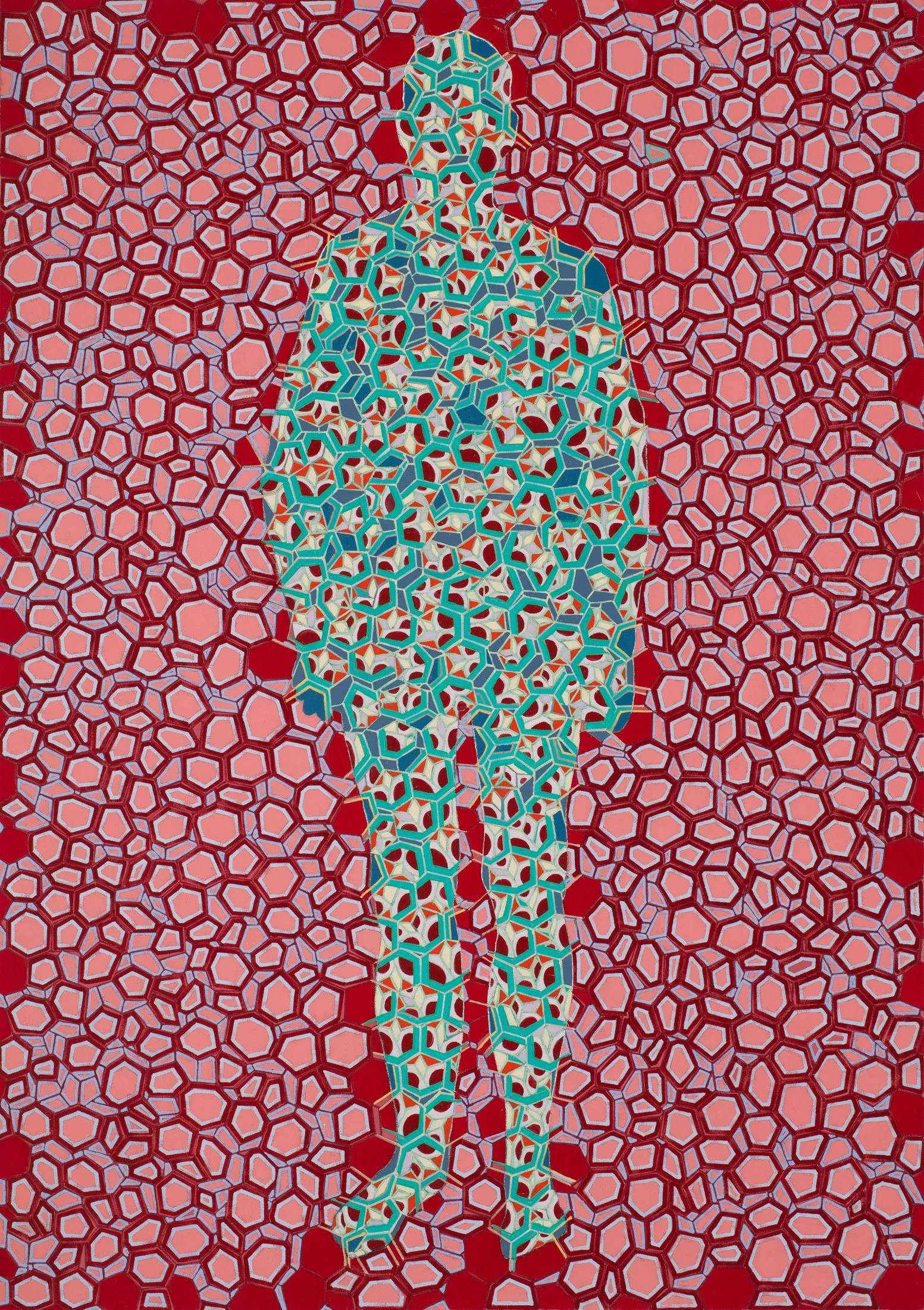
Divided Man 32 — Earthly Only
68 x 48 inches
Oil on canvas
2016
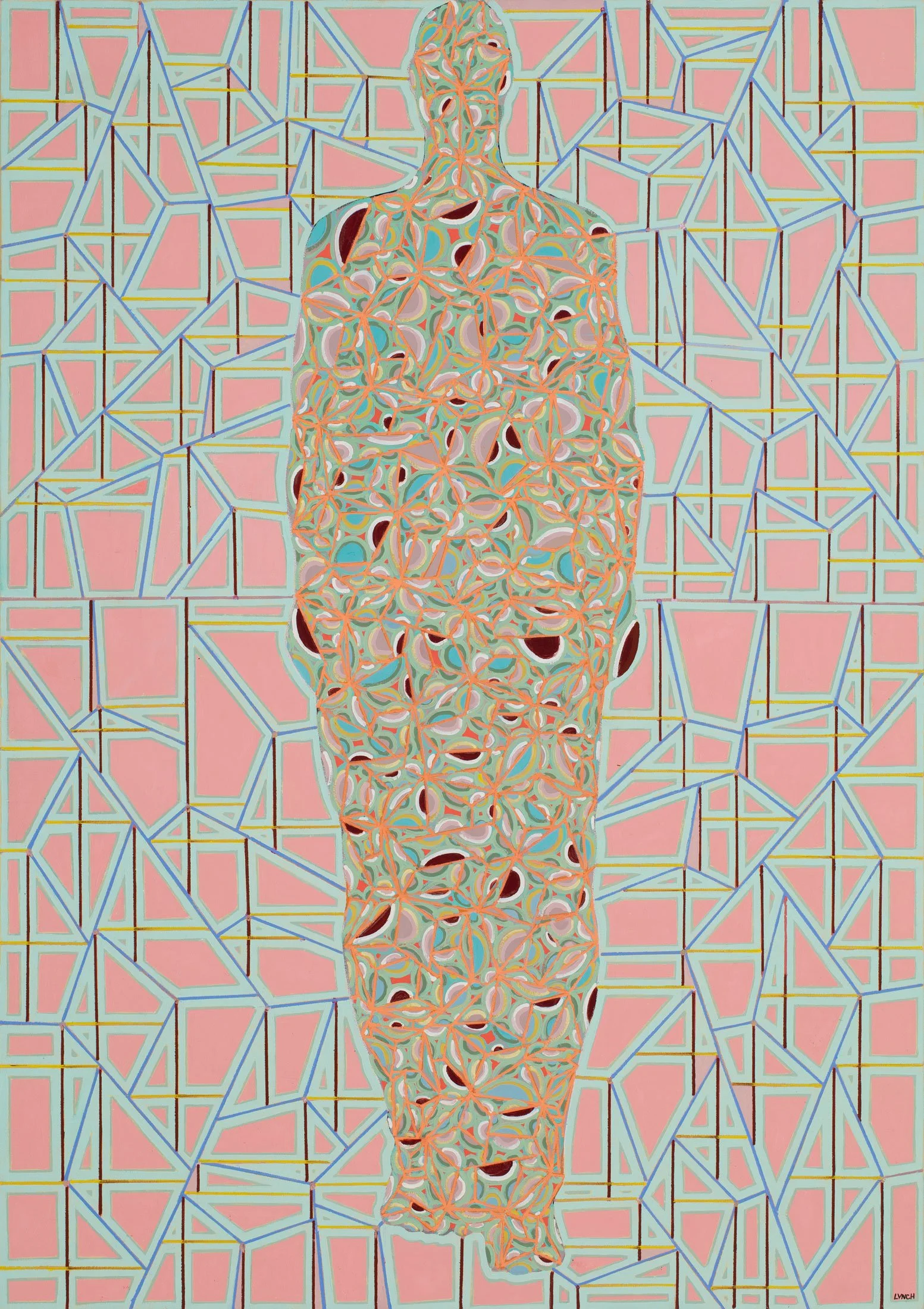
Divided Man 26
48 x 34 inches
Oil on canvas
2015
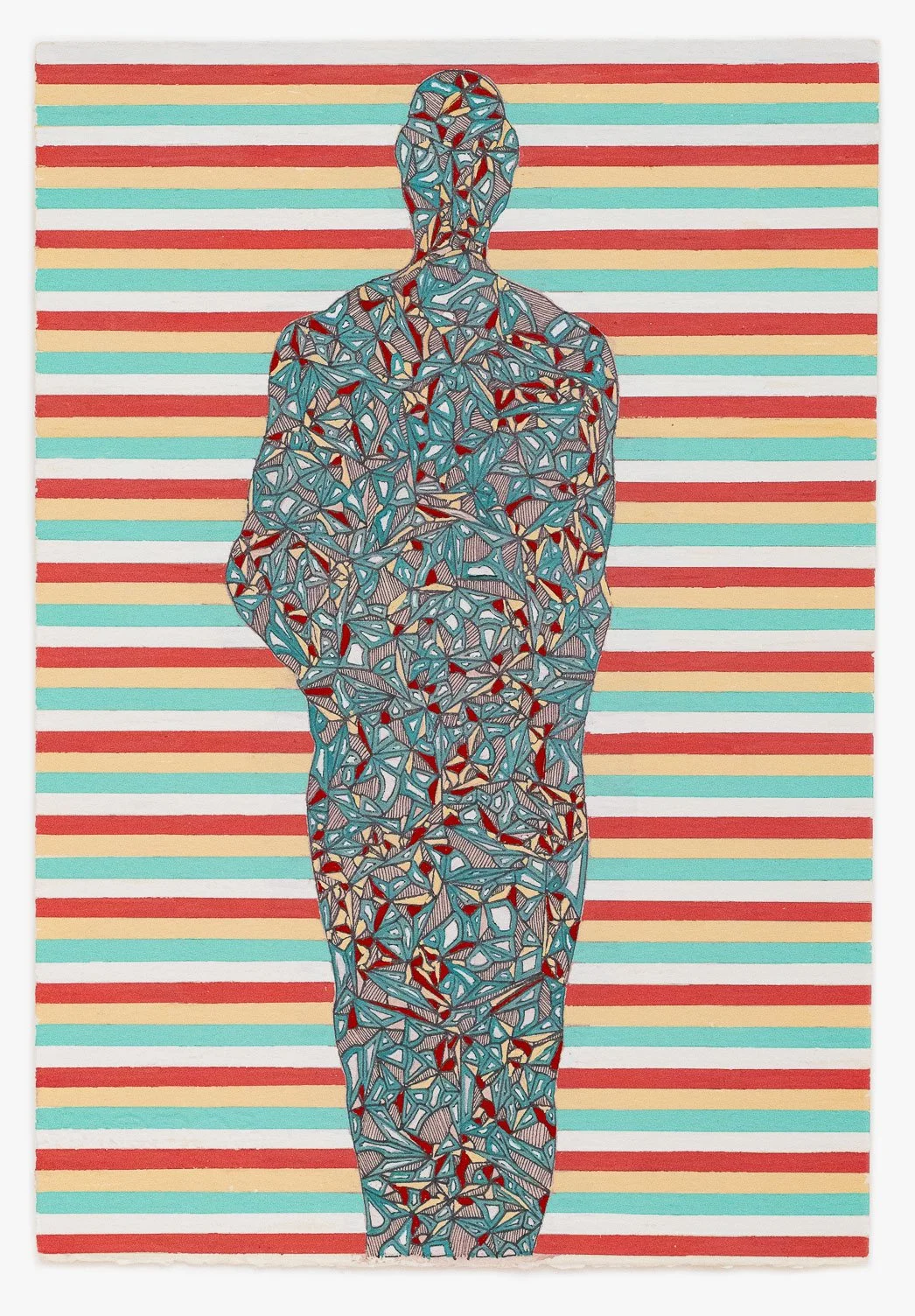
Divided Man
11 x 7.5 inches
Gouache on paper
2014
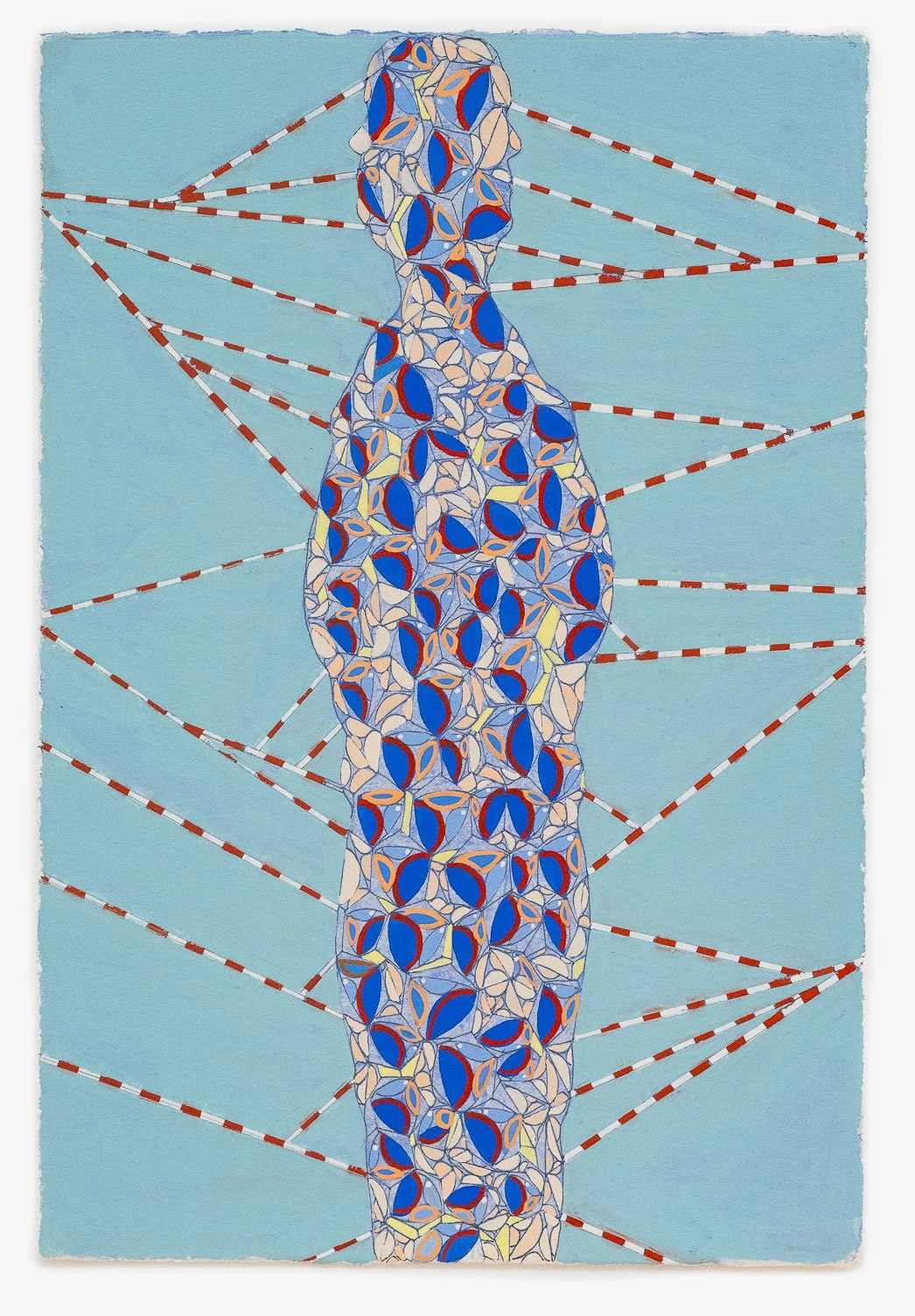
Divided Man 11
11 x 7.5 inches
Gouache on paper
2015
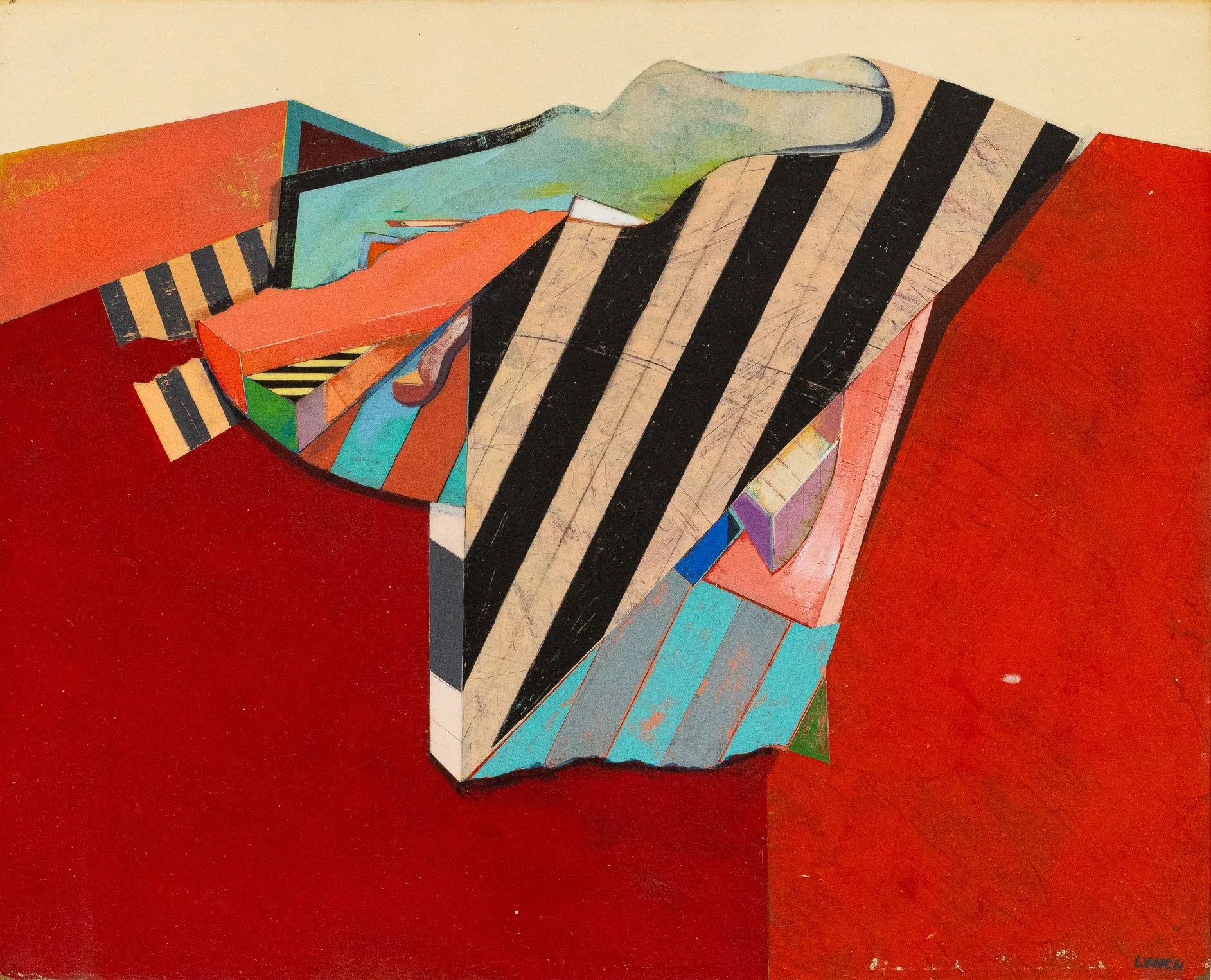
Untitled
11.75 x 14.5 inches
Acrylic on panel
1988
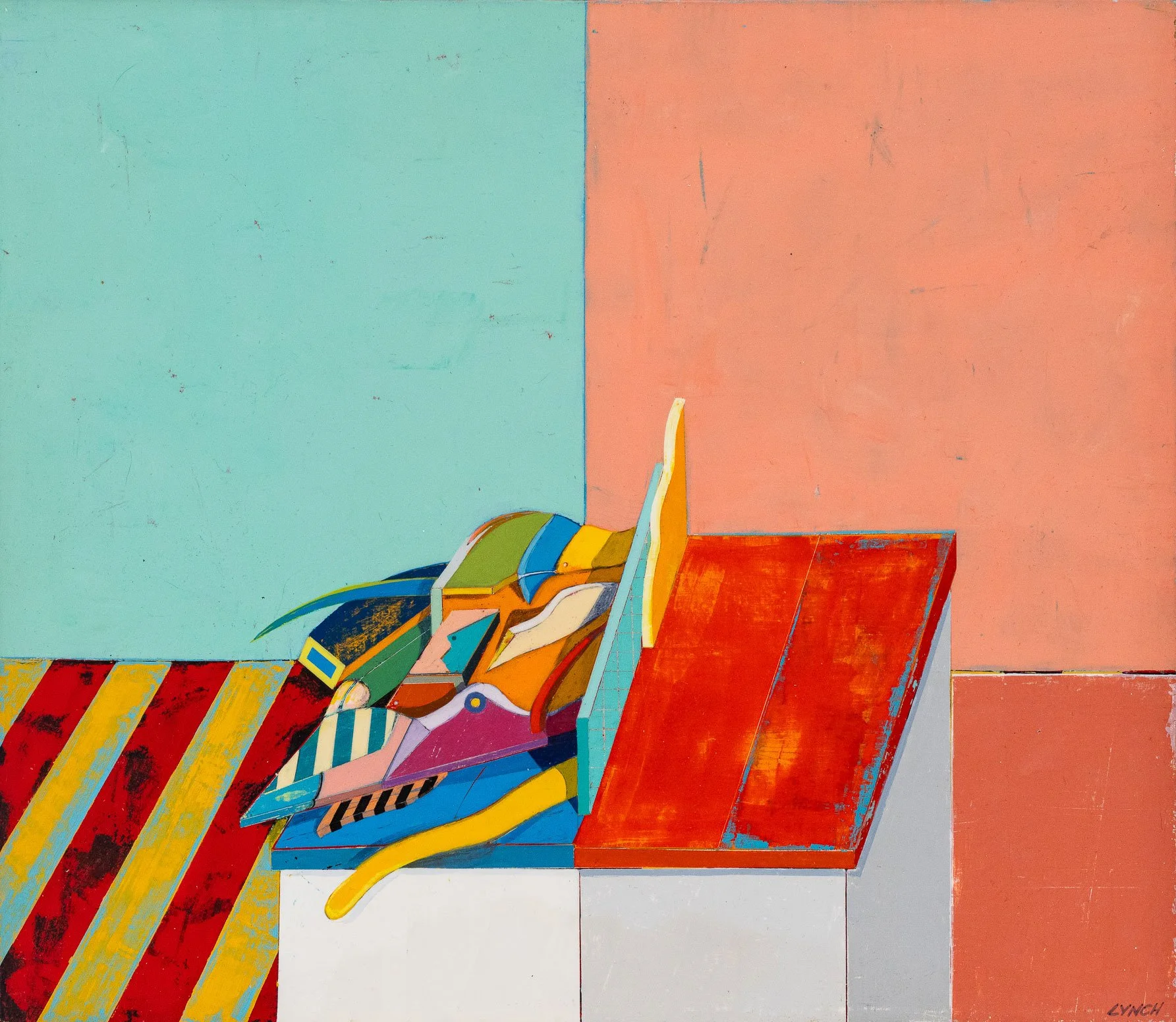
Untitled
13 x 15 inches
Acrylic on panel
1988
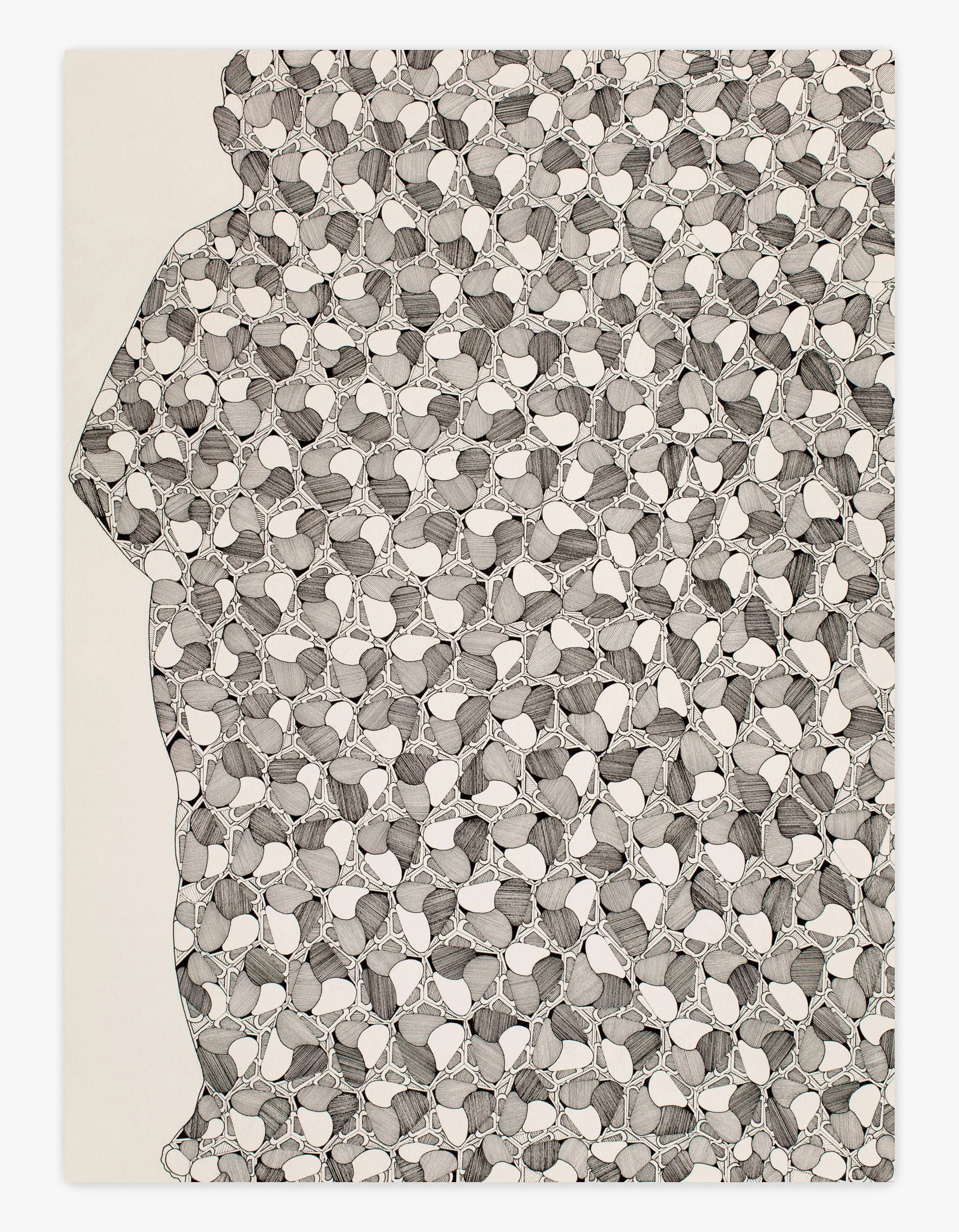
Divided Man Drawing #8
30 x 22 inches
Ink on paper
2016
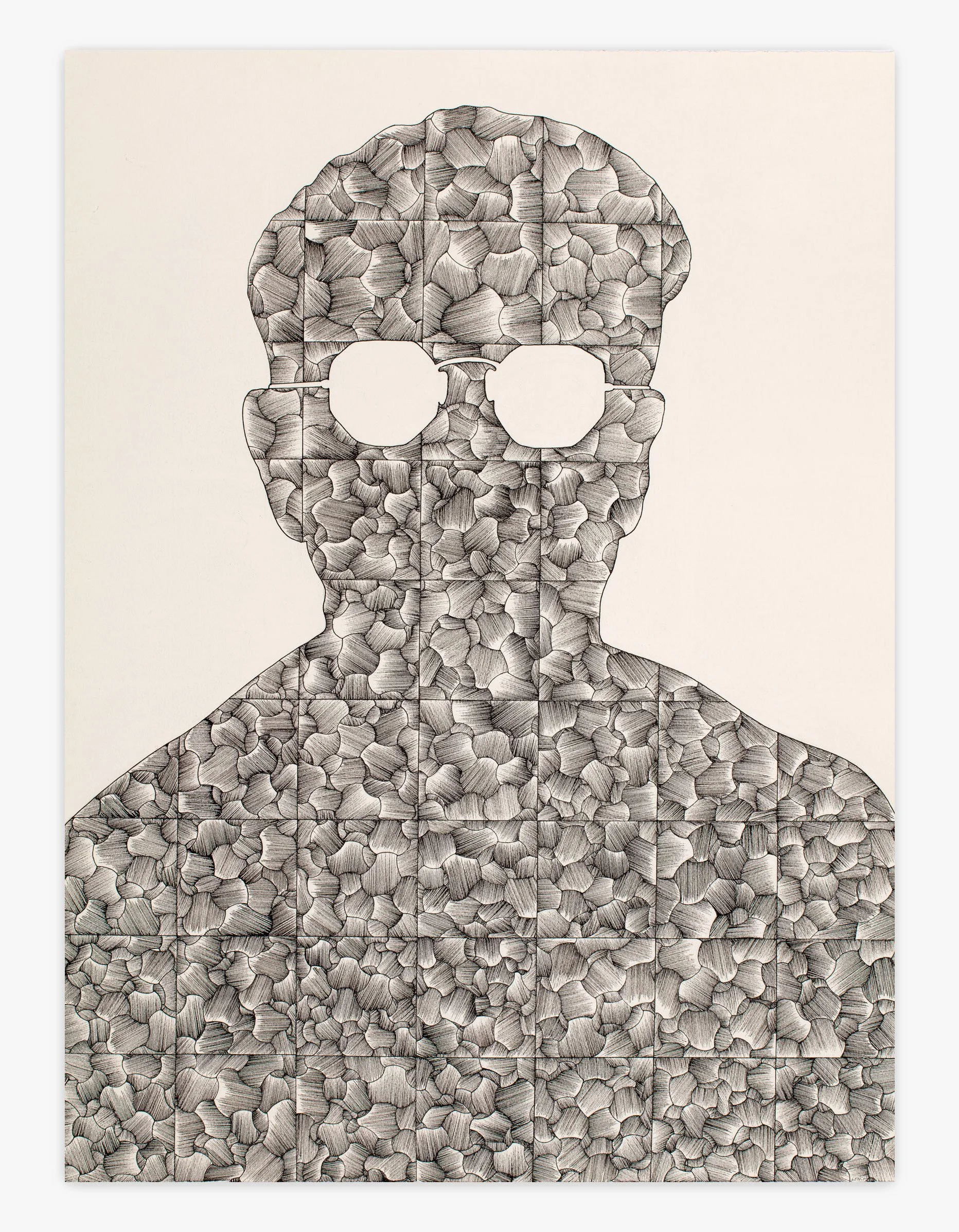
Divided Man Drawing #9
30 x 22 inches
Ink on paper
2016
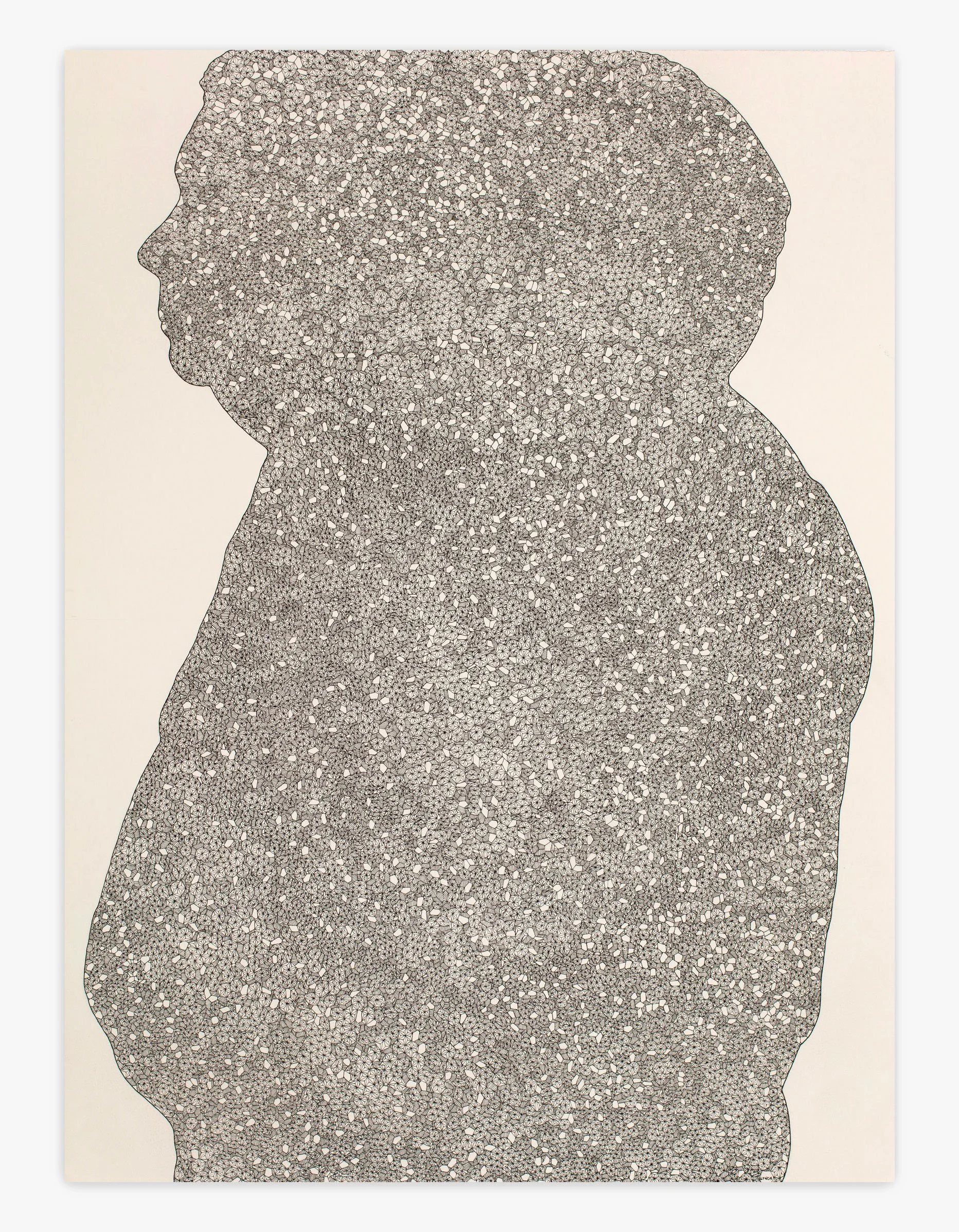
Divided Man Drawing #3
30 x 22 inches
Ink on paper
2016
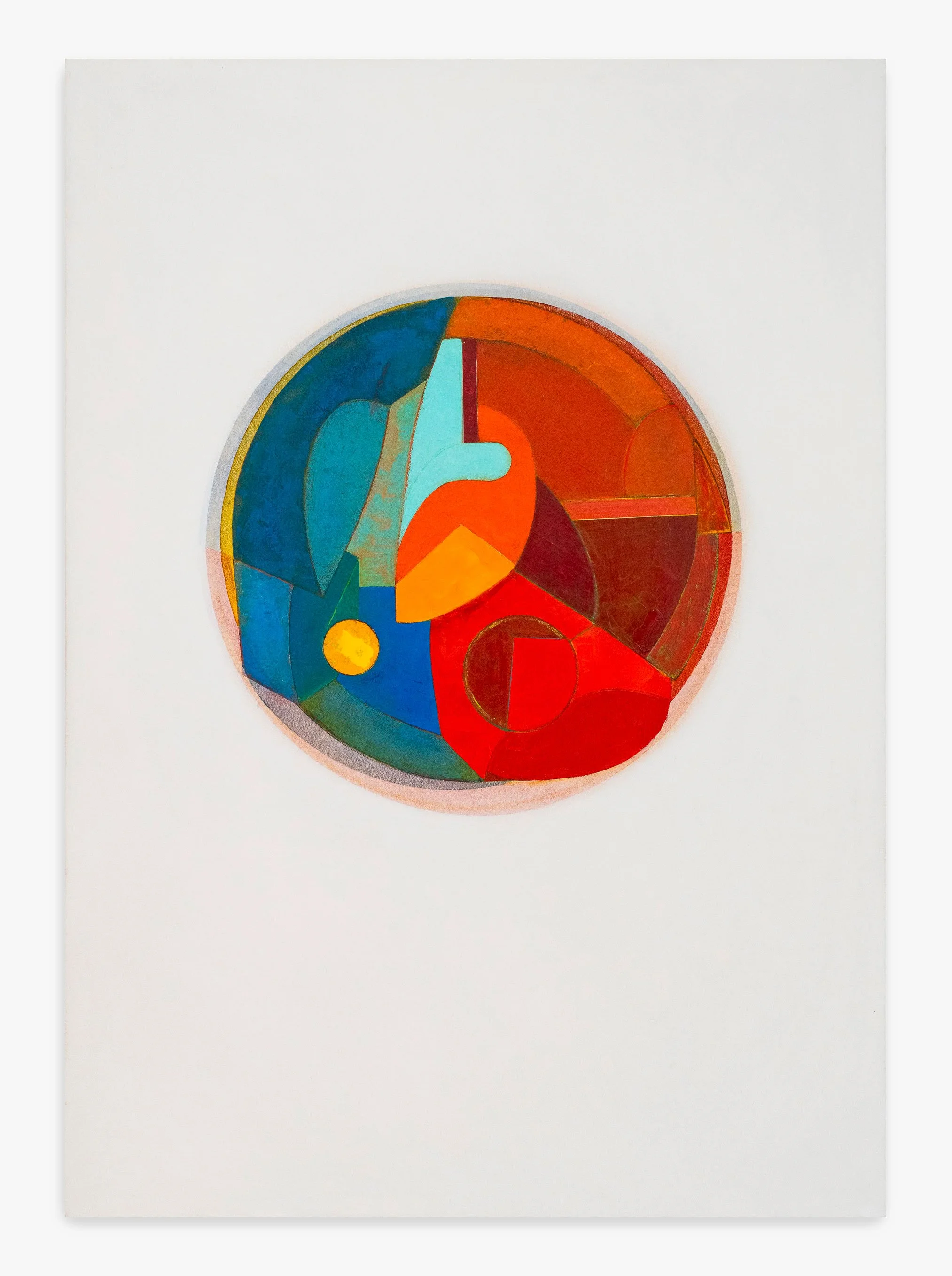
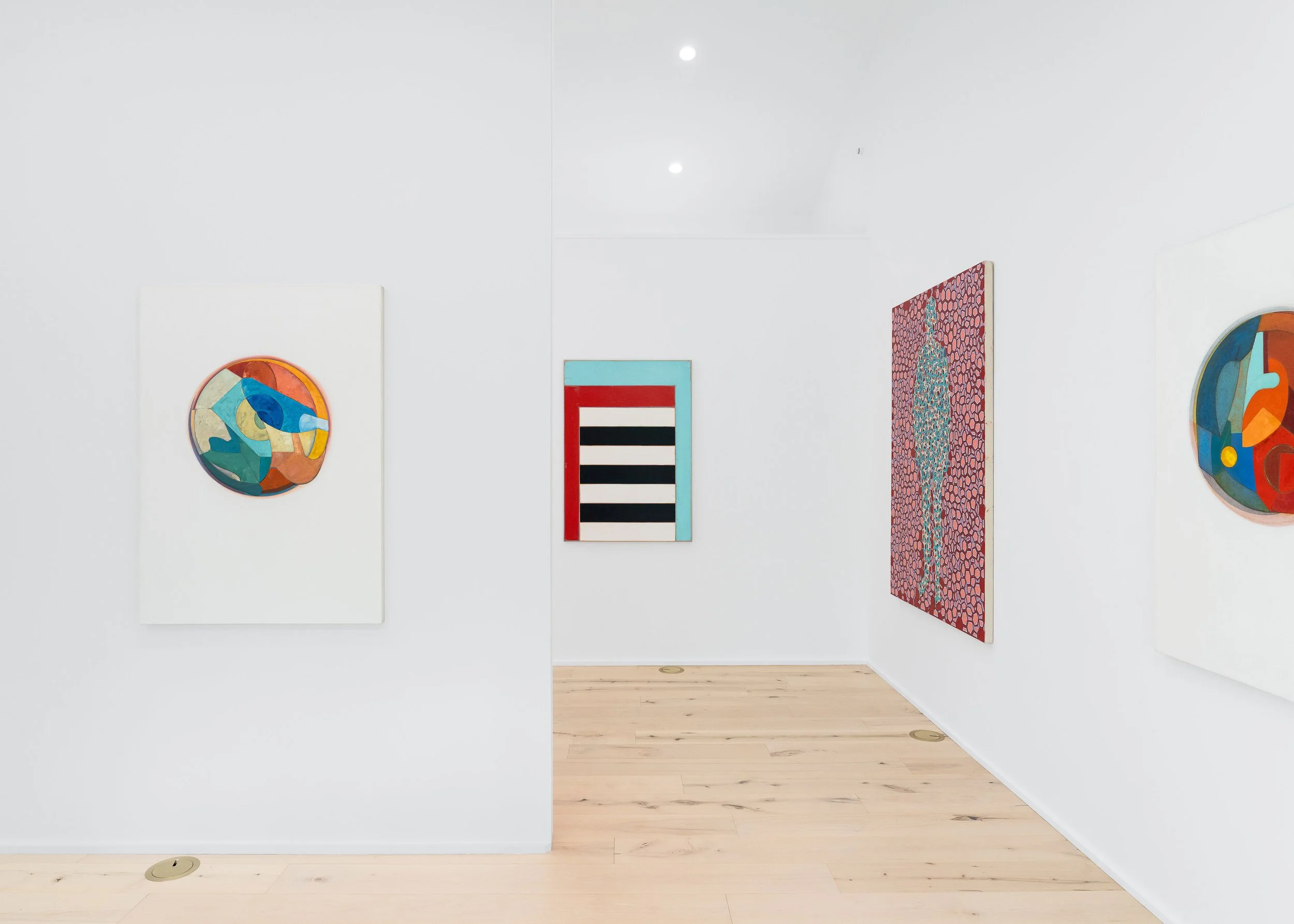
Rotoform (966)
48 x 34 inches
Oil on canvas
1994
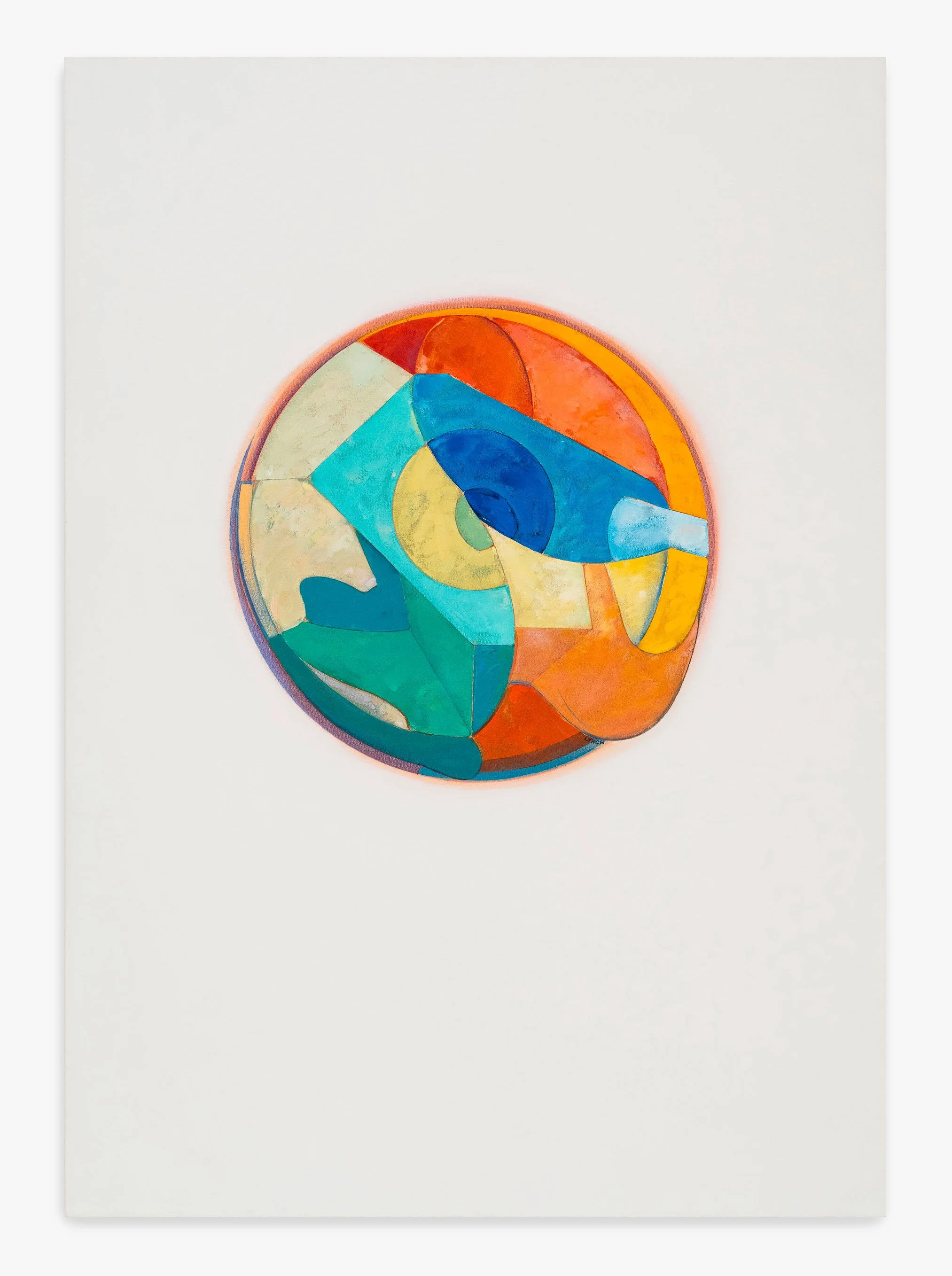
Rotoform 25 (1019)
48 x 34 inches
Oil on canvas
1995
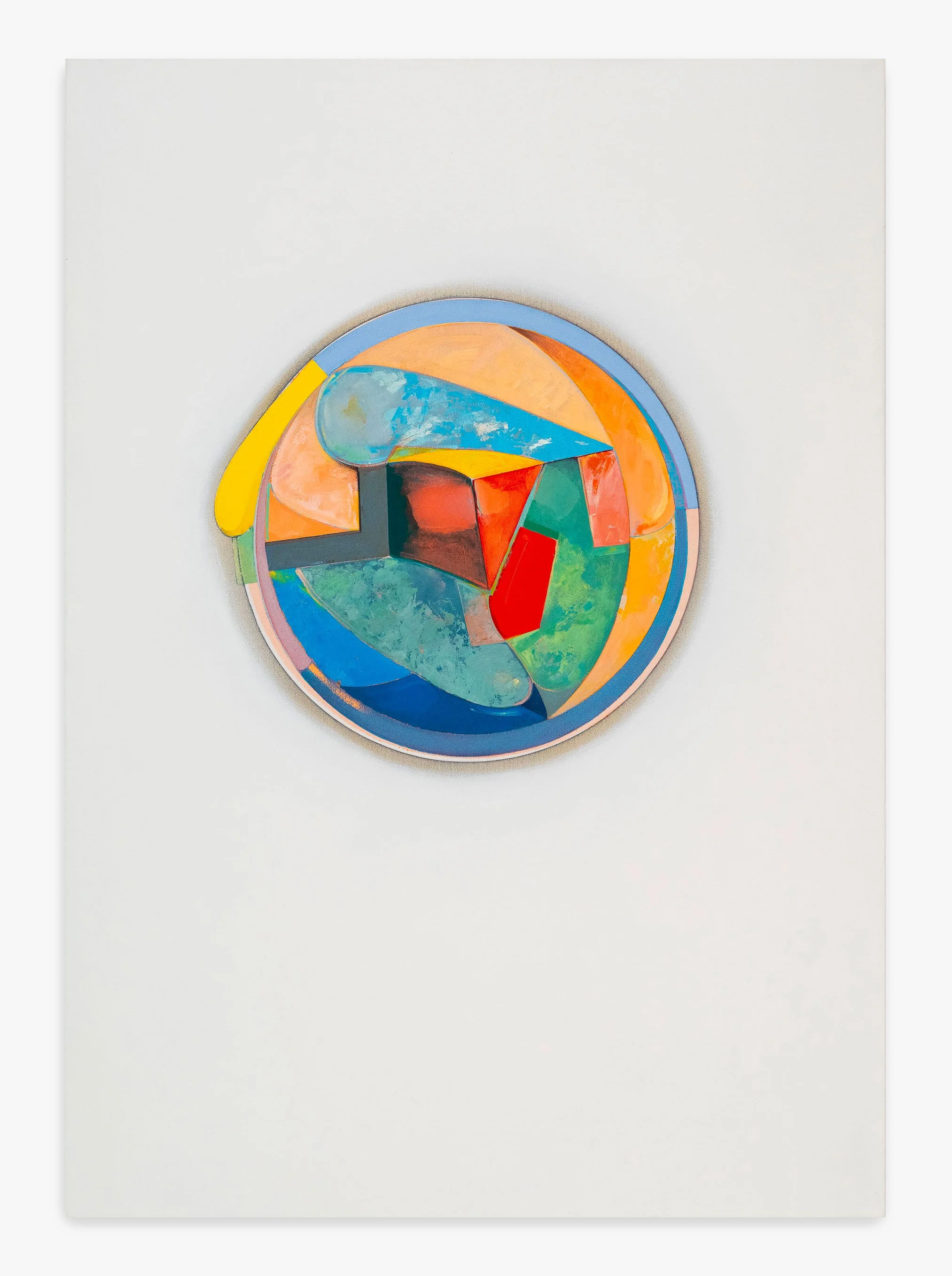
Rotoform 19 (1013)
48 x 34 inches
Oil on canvas
1995
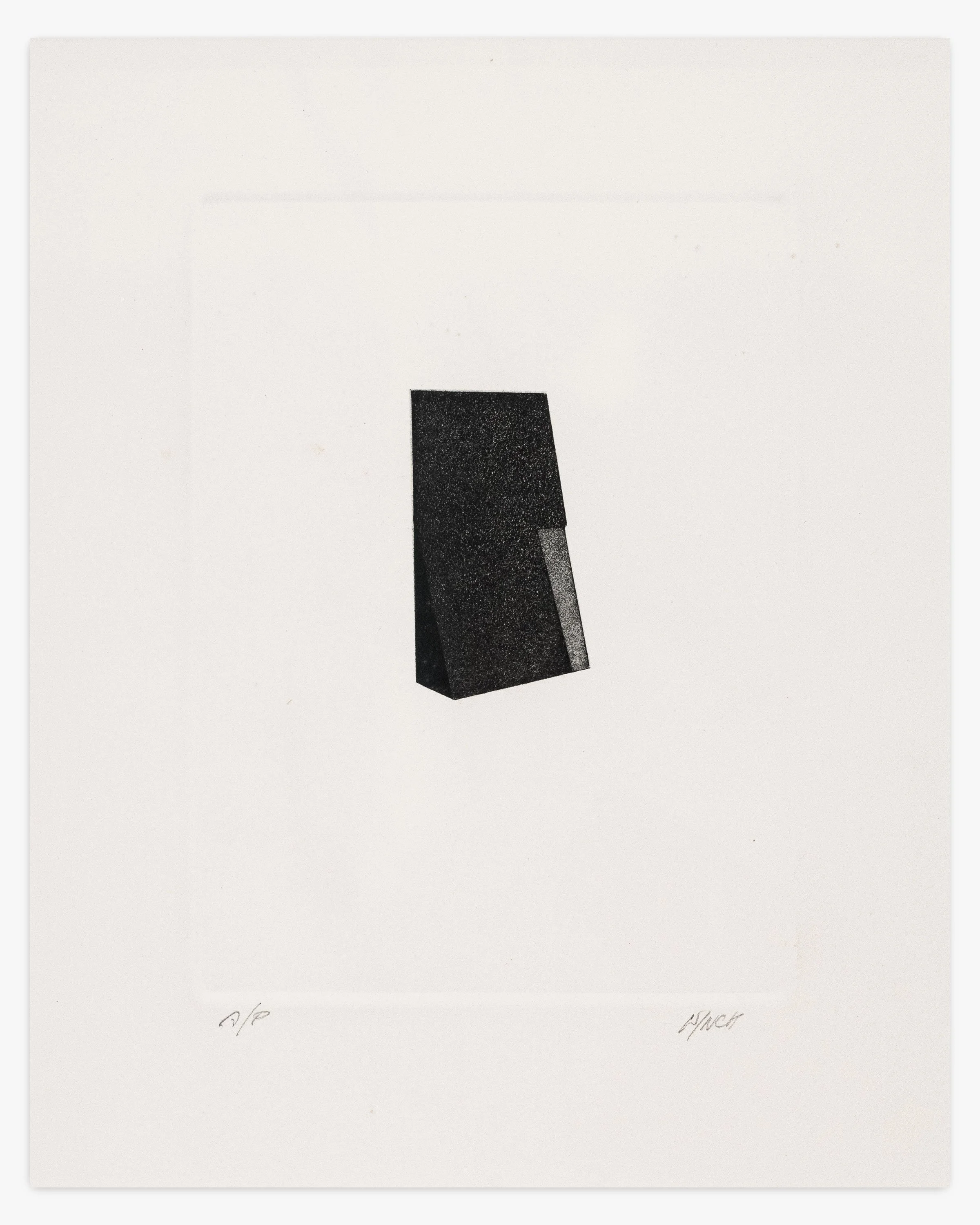
Untitled (41)
12.75 x 10.5 inches
Etching
c. 1980s
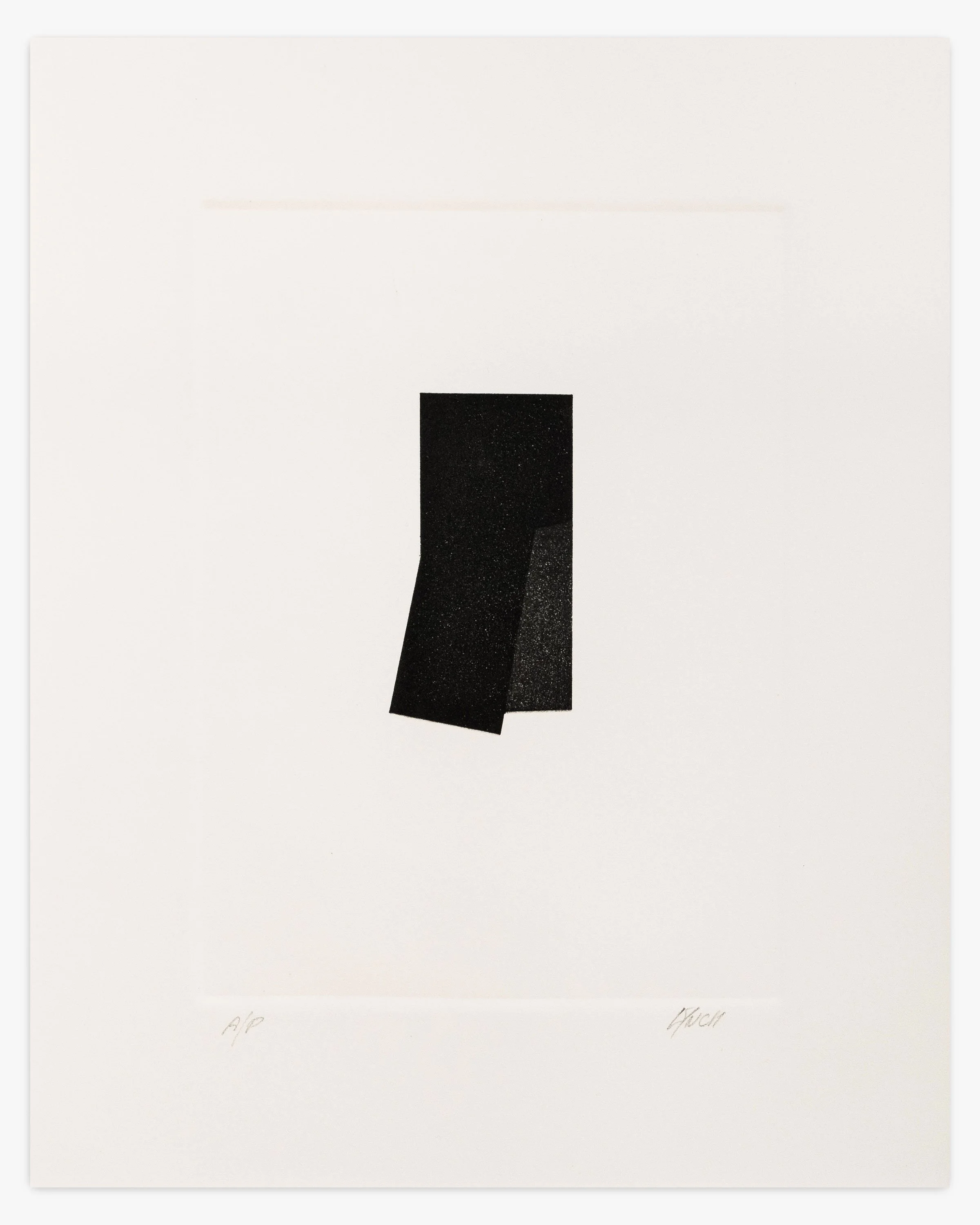
Untitled (42)
12.75 x 10.5 inches
Etching
c. 1980s
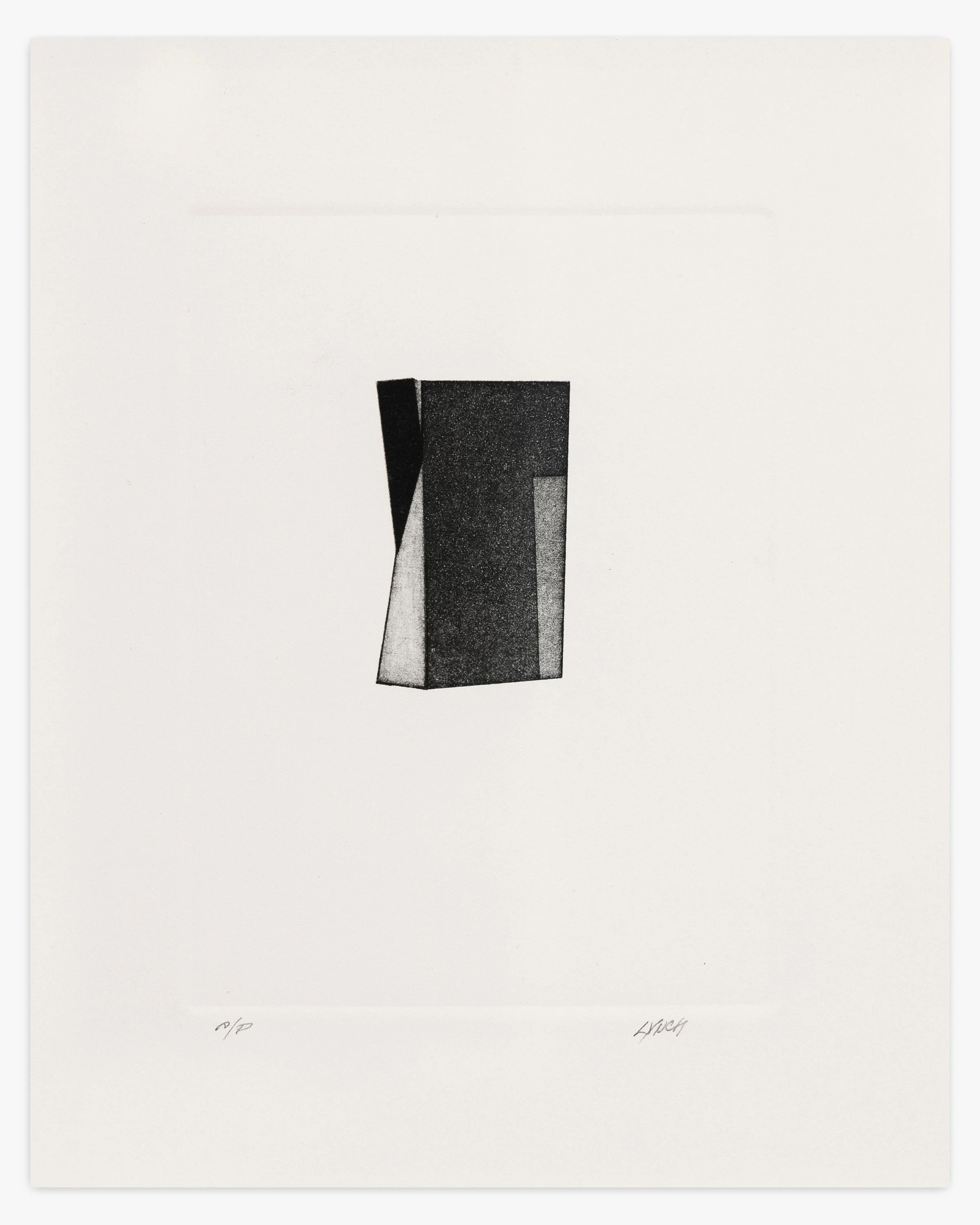
Untitled (43)
12.75 x 10.5 inches
Etching
c. 1980s
exhibits
-
A Solo Exhibition
Frederick Lynch
July 5 – August 16, 2026 [link:/frederick-lynch-solo-exhibition]
Artist Statement
Divided Man
These Divided Man paintings attempt to assimilate characteristics of both abstract and representational elements. The organic and cellular nature of these forms, the subtle resemblance to more subjective, personal content, and the obvious metaphorical possibilities have emerged in this new work due to changes in my medical history.
This current series of paintings represents yet another application of an absorbing process of discovery by division, specifically the act of dividing the human form into ever-diminishing bits or shapes. I have been exploring the idea of graphic division and multiplication for more than ten years as an abstract idiom or system, and it remains thoroughly engrossing and satisfying to me.
My work has now renewed my interest in the figure and how it might reflect my current condition. Suffice it to say that to initially divide a formal visual ground for aesthetic pleasure or purpose and then transform these elements for a more intimate means of expression and introspection is to generate something of a full artistic circle. The figurative depictions, many of them autobiographical, help satisfy an always-present urge to combine my art and my life.
— Frederick Lynch, 2016
-
Painting is primarily about the sensations produced when a fairly flexible material is applied to a somewhat inert material. Painting is about paint, about its color, light and surface, evolving into subject matter, form and content.
My paintings, consisting of alternating bars of color, are basically presentations of light, texture, and pattern, with suggestions of implied space and vaguely familiar structures. They are also about repetition, sequence, variation and the nuances of a series approach. Just ahead of these concerns is a high regard for the paint itself, fluid, viscous, gelatinous, almost voluptuous. Although more often pressed into the service of representation, paint retains its own character. Whether crystalline or creamy, skin-tight or flaky, the substance of paint has a life of its own, with rich metaphorical possibilities, independent of illusion and description.
Paint is the subject, if not the form, in some abstract paintings. In my paintings, though, it is an integral means to a more compelling end. The various bars of color, usually interspersed with similar widths of more neutral tints and whites, represent for me the infinite, astonishing variations that the stripe contains. These possibilities include scale and proportion systems, geometrical and mathematical configurations, and reflections on ideal shape and format.
The stripe has been part of me since my undergraduate days at Massachusetts College of Art. As a figurative painter, I saw the stripe motif as a useful decorative device. Much of my work then dealt with clothing, worn as façade and front. To this end, intense, multi-chromatic stripe patterns presented the viewer with form and content simultaneously, decorating and deriding the figure with the same idiom. This (the 60’s) was the age of the double-knit suit, day-glow colors, and bell-bottoms.
Eventually, the stripe became a significant aid in describing form alone, for implying contoured planes, and as a way of contradicting expected illusion. The social context became more ambiguous, the figure gradually giving way to forms more abstract and mechanical. The paintings done at this time (70’s and early 80’s) were of things, not people. They were about forms that clashed, as nature and civilized elements often do. The stripe became flatter, simpler, more emblematic rather than descriptive.
One might be reminded of crests, shields, and simple signs. These stripes were broader, less varied in color schemes, and more binary in makeup. More emphasis was placed on contrast, often between two colors only. More likely, the design approached closer to a black and white condition than a rainbow. The stripe areas of these paintings, shard-like and insulating, acted as foils for less organized, more visceral elements in ersatz landscape arrangements.
Finally (or at least presently), the essential characteristics of contrasting forms, equal but different, lie at the heart of my work. Freed from any decorative or descriptive obligations, alternations of color and space can produce visualizations of intense metaphorical power. Stark landscapes with multiple horizons, barred openings, and esoteric grids emerge as subject matter. The allusion to these elements is incidental to other concerns, but the inferences are quite possible. The simplicity of the paintings allows for many individual interpretations.
As a purely optical statement, no other visual motif speaks as clearly and emphatically as the stripe. The eye responds almost violently to the conflicting sensations caused by high contrast of color and light. When the repetition of contrast is pronounced and rapid, perceptual movement is apparent; when the stripe narrows in width, this movement becomes quite active. Thus, the painting becomes charged with energy that confronts and engages the viewer in unique ways. This power to physically involve the audience is one of the aesthetic challenges for the painter.
I look for ways that will allow optical effects to enrich rather than dominate the paint surface. I want movement to remain a gentle contradiction to the more solid array of individual color areas. I choose combinations and proportions that touch only lightly on the “eye dazzle” or perceptual ambiguity. To me, the psychological ambivalence expressed by opposites, of black vs. white, strong against weak, is more important. I try to state these conditions through proportional, dimensional, and scale variations. The number of variations seems endless, the differences subtle, and the “perfect” combination elusive.
— Frederick Lynch, 1992
CV
Born: Lynn, MA | 1935
Deceased: Saco, ME | 2016
-
1955–57
US Army; attended Army Language School, Monterey, CA
Served two years overseas in Frankfurt, West Germany, as a courier to West Berlin1958–62
BFA, Massachusetts College of Art, Painting and Printmaking, Boston, MA1962–64
Art Supervisor, Huntington School Union, MA1964
Master’s degree in Education, Westfield State College, Westfield, MA1964–72
Assistant Professor, Westfield State College, Westfield, MA
Travelled to Spain, Portugal, and Italy
Studied at Instituto-Allende, San Miguel, Mexico1972–76
Moved to Lubec, ME
Attended Boat Building School; restored a home and studio
Began painting full-time1976–83
Studios in Portland and Springvale, ME
One-person show in Bern, Switzerland
Travelled to Austria and Belgium1981–2006
Instructor at the University of Southern Maine1984
Travelled to London, Ireland, France, and the Netherlands1985
One-person show, Portland Museum of Art, Portland, ME1986
Permanent installation of 7 large paintings in Portland Public Library, Portland, ME1988
First trip to New Mexico1993
Summer in Santa Fe, NM1996
Married Janice Deshaies, a painter
Home and studio in Saco, ME -
2026
Sarah Bouchard Gallery, Woolwich, ME2016
Miller Yezerski Gallery, Boston, MA2013
University of Maine, Orono, ME
Icon Gallery, Brunswick, ME2011
Icon Gallery, Brunswick, ME2010
Portland Museum of Art, Portland, ME
Connecticut College, New London, CT2009
George Marshall Store Gallery, York, ME
Icon Gallery, Brunswick, ME2007–08
University of Maine, Presque Isle, ME2007
Icon Gallery, Brunswick, ME2006
Genovese/Sullivan, Boston, MA2005–06
Farnsworth Art Museum, Rockland, ME2005
Icon Gallery, Brunswick, ME2004
Genovese/Sullivan, Boston, MA2003
Icon Gallery, Brunswick, ME2002
Genovese/Sullivan, Boston, MA2001
Round Top Center for the Arts, Damariscotta, ME
Icon Gallery, Brunswick, ME1999
McGowan Fine Art, Concord, NH
Icon Gallery, Brunswick, ME1997
Icon Gallery, Brunswick, ME1996
Galleries, Université de Moncton, New Brunswick, Canada1995
Colby College Museum of Art, Waterville, ME1994
Tom Veilleux Gallery, Farmington, ME1992
Dean Velentgas Gallery, Portland, ME
University of Southern Maine, Gorham, ME
Tom Veilleux Gallery, Farmington, ME1988
Barridoff Galleries, Portland, ME1986
Barridoff Galleries, Portland, ME1983
Barridoff Galleries, Portland, ME -
2025
Paperwork, Corey Daniels Gallery, Wells, ME2019
The Sartorial Self, Cove Street Arts, Portland, ME2017
Abstraction, Greenhut Galleries, Portland, ME2014
Future Tense, Miller Yezerski Gallery, Boston, MA
Install 4, Corey Daniels Gallery, Wells, ME2012
60th Anniversary Honors Exhibition, Center for Maine Contemporary Art, Rockport, ME
McGowan Fine Art, Concord, NH
Littlefield Gallery, Winter Harbor, ME2010–11
Contemporary Maine Wood Sculpture, Center for Furniture Craftsmanship, Rockport, ME2010
Drawing, University of New England Art Gallery, Portland, ME
McGowan Fine Art, Concord, NH2009
Littlefield Gallery, Winter Harbor, ME2008
Art Miami, Richard Levy Gallery, Miami, FL
Montgomery College, Rockville, MD2007
McGowan Fine Art, Concord, NH2006
The Muench Print Workshop, University of New England Art Gallery, Portland, ME2005
Velentgas Tribute, June Fitzpatrick Gallery, Portland, ME
Sublime Geometries, Institute of Contemporary Art at Maine College of Art & Design, Portland, ME
Fred Lynch & Jeff Kellar, McCoy Art Gallery at Merrimack College, North Andover, MA2004
Geometries, Center for Maine Contemporary Art, Rockport, ME2003–04
Collection, Portland Museum of Art, ME2003
Portland Museum of Art Biennial, Portland, ME2002
Abstraction, Farnsworth Art Museum, Rockland, ME
50th Anniversary Show, Center for Maine Contemporary Art, Rockport, ME2000
Genovese/Sullivan Gallery, Boston, MA1996–2010
Icon Gallery, Brunswick, ME1995
Intimate Observations, Institute of Contemporary Art at Maine College of Art & Design, Portland, ME1994–95
Colby College Museum of Art Faculty exhibitions, Waterville, ME1993
On the Edge, Portland Museum of Art, Portland, ME1992
On the Edge, Maine Coast Artists, Rockport, ME1991
Recent Acquisitions, Portland Museum of Art, Portland, ME
Beyond Geometry, Maine Coast Artists1990
Perspectives, Portland Museum of Art, Portland, ME1987
Paper Works, Portland Museum of Art, Portland, ME
Contemporary Art in Maine, University of Maine at Orono, ME1984
Inside/Outside, Walker Art Museum, Bowdoin College, Brunswick, ME
New England Still Life, deCordova Sculpture Park and Museum, Lincoln, MA1983
Boston Printmakers, Boston University, MA1982
Boston Printmakers, deCordova Museum1981–2006
University of Southern Maine Faculty exhibitions, Gorham, ME1980
New England Drawings, deCordova Museum -
Museum of Fine Arts, Boston, MA
Portland Museum of Art, Portland, ME
Farnsworth Art Museum, Rockland, ME
-
1997
Portland School of Art (MECA), Portland, ME
Guest Lecturer1994–96
Colby College, Waterville, ME
Visiting Assistant Professor, Painting and Design1992
Portland School of Art (MECA), Portland, ME
Guest Lecturer1991–93
St. Joseph’s College, Windham, ME
Guest Lecturer1980–2006
University of Southern Maine, Gorham and Portland, ME
Professor of Fine Art, Drawing, Painting, and Design Visiting Artists Series Lecturer1966–68
Our Lady of The Elms College, Springfield, MA
Lecturer, Contemporary Art1964–72
Westfield State College, Westfield, MA
Assistant Professor, Drawing, Painting, Ceramics, and Art History1962–64
Huntington School Union, Huntington, MA
Art Supervisor and Classroom Teacher1962
deCordova Museum, Lincoln, MA
Summer Art School Instructor
Press
Inquire
To inquire about available works or learn more about Frederick Lynch, please get in touch.