

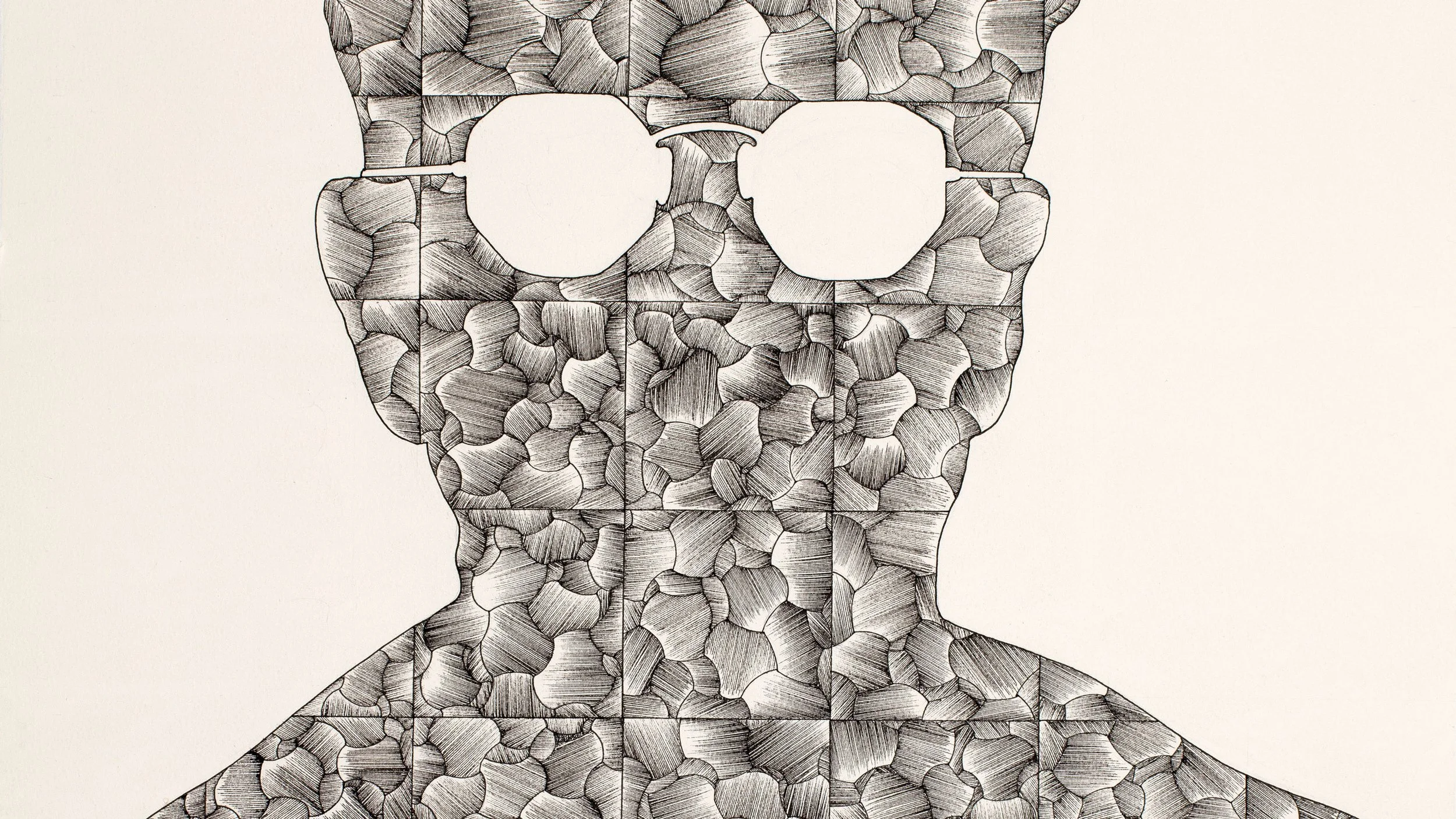
Frederick Lynch
Saco, ME
Frederick Lynch (1935–2016) was a celebrated Maine artist whose work explored the intersection of nature, structure, and abstraction. Known for his intricate compositions and sophisticated use of color, Lynch developed a distinctive visual language inspired by the patterns and systems found in the natural world. Over a career spanning more than five decades, he became one of Maine’s most respected abstract painters.
A dedicated educator as well as an accomplished artist, Lynch taught at the University of Southern Maine and influenced generations of emerging artists. His work is represented in numerous public and private collections, including the Portland Museum of Art and the Farnsworth Art Museum.
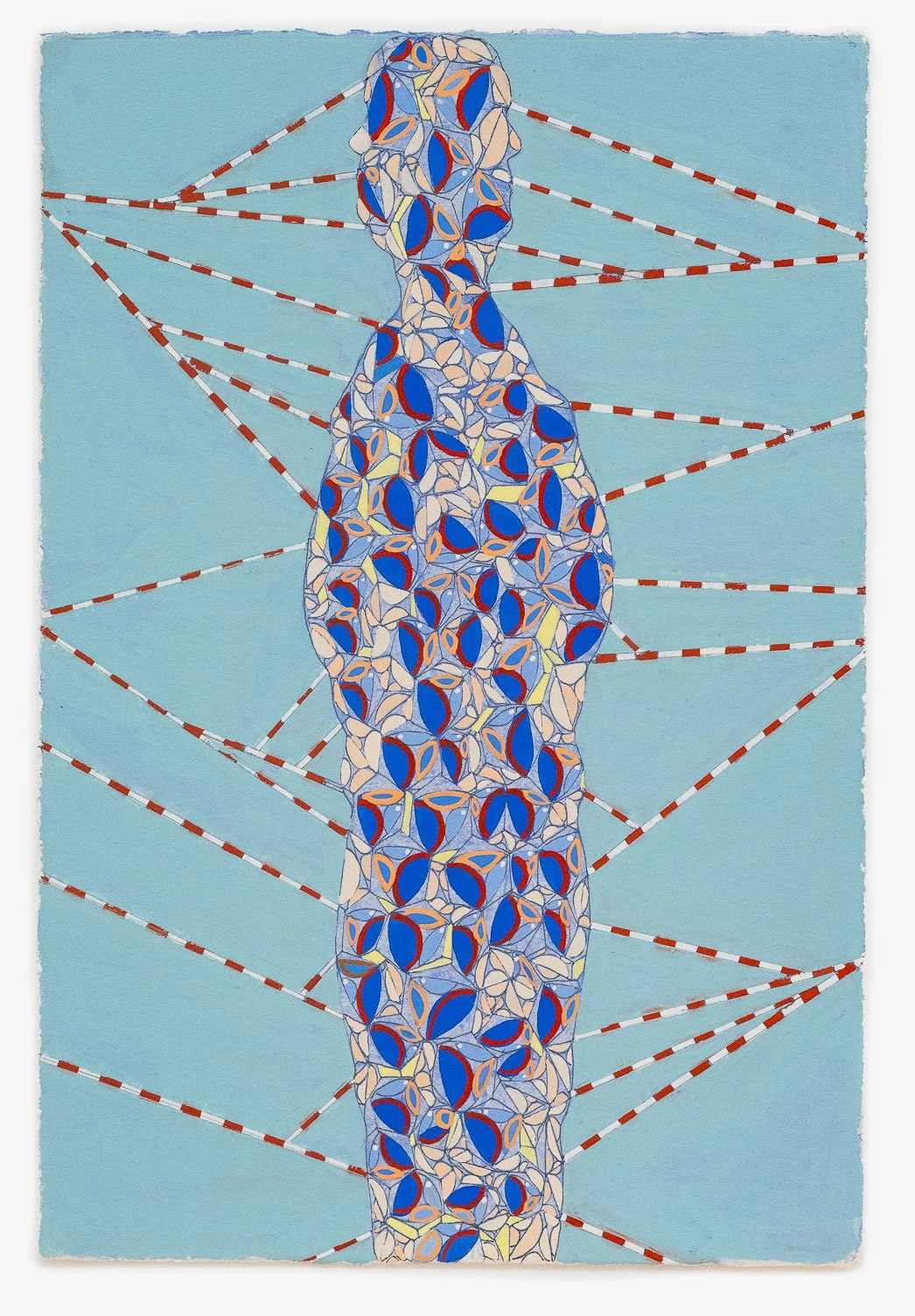
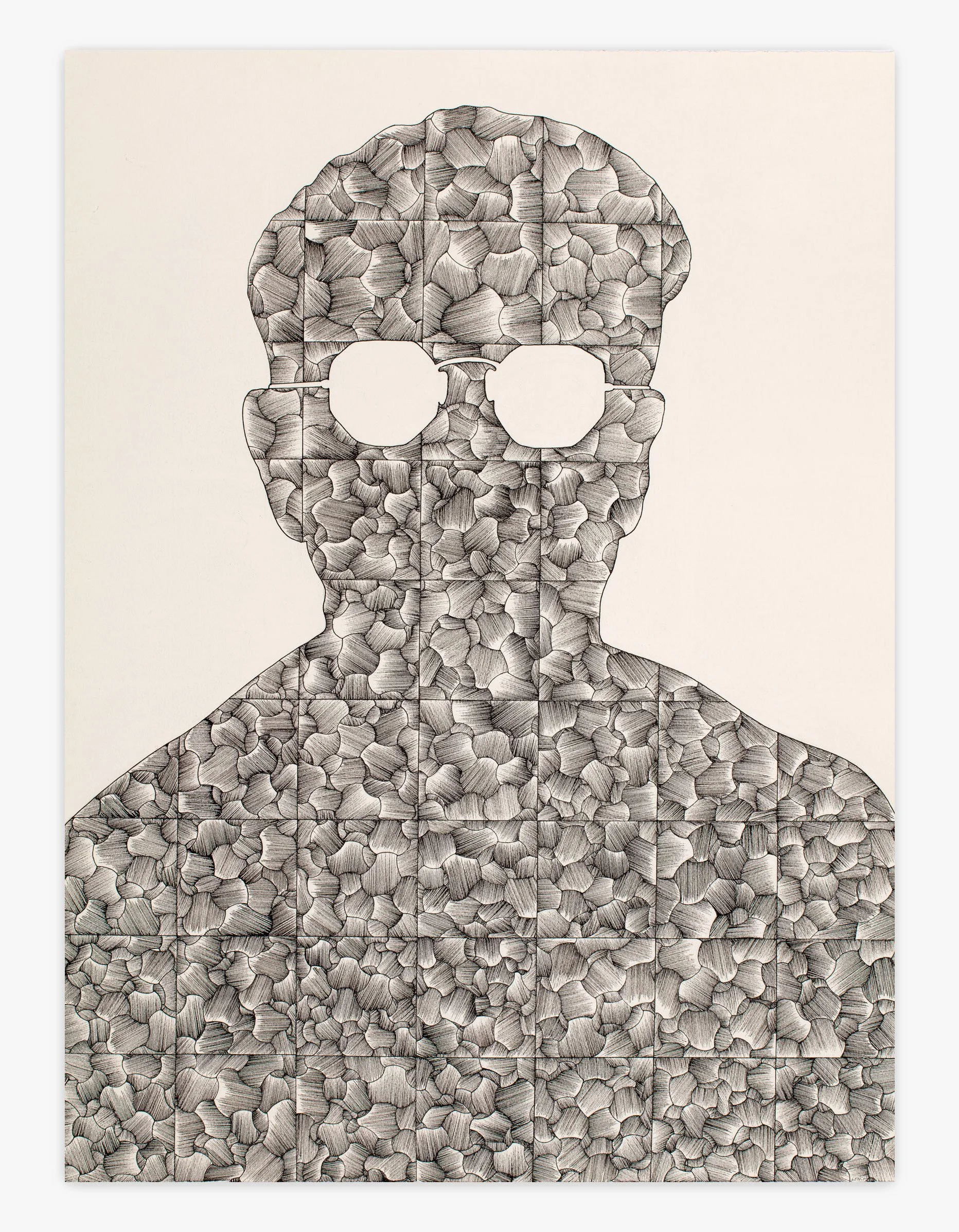
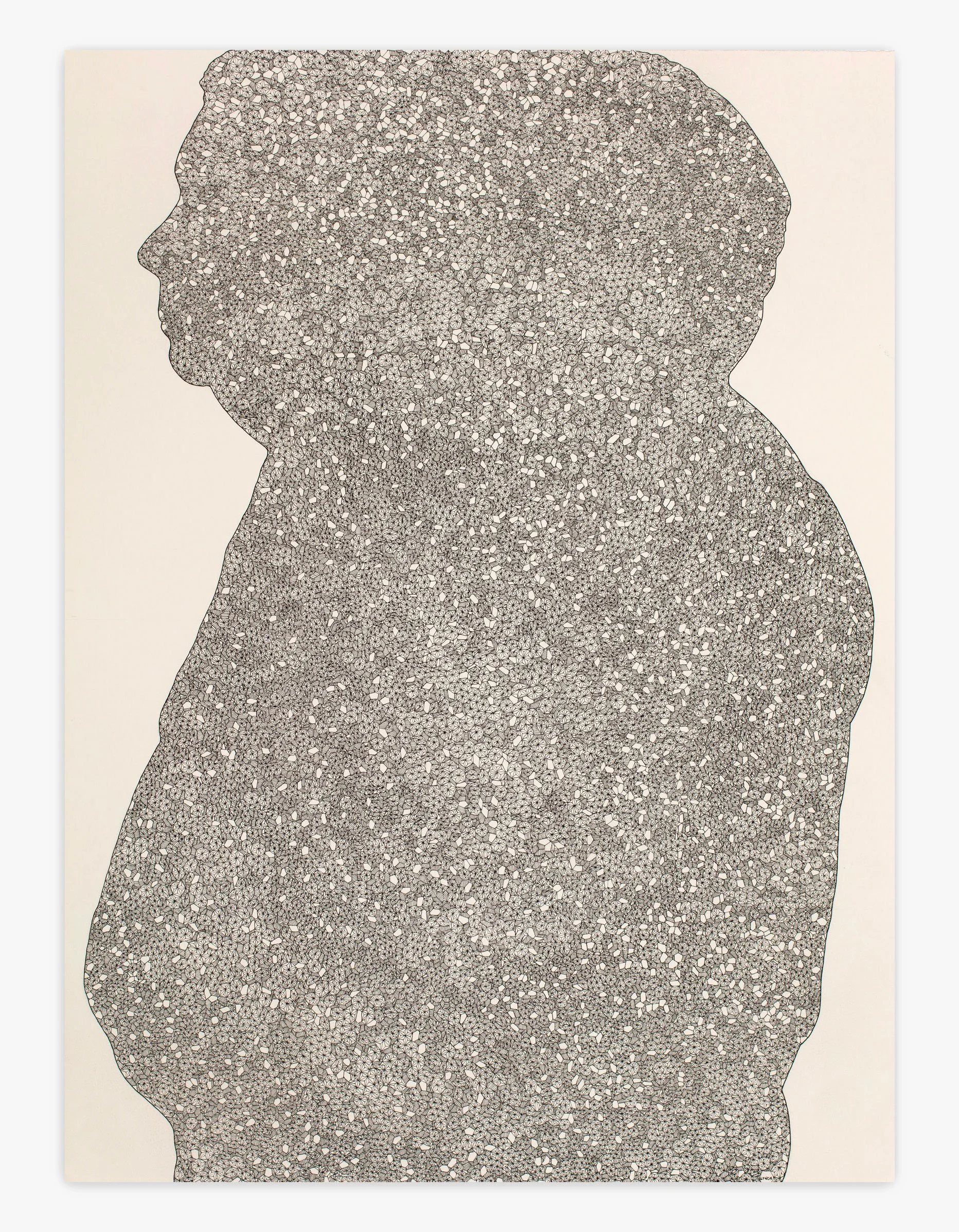
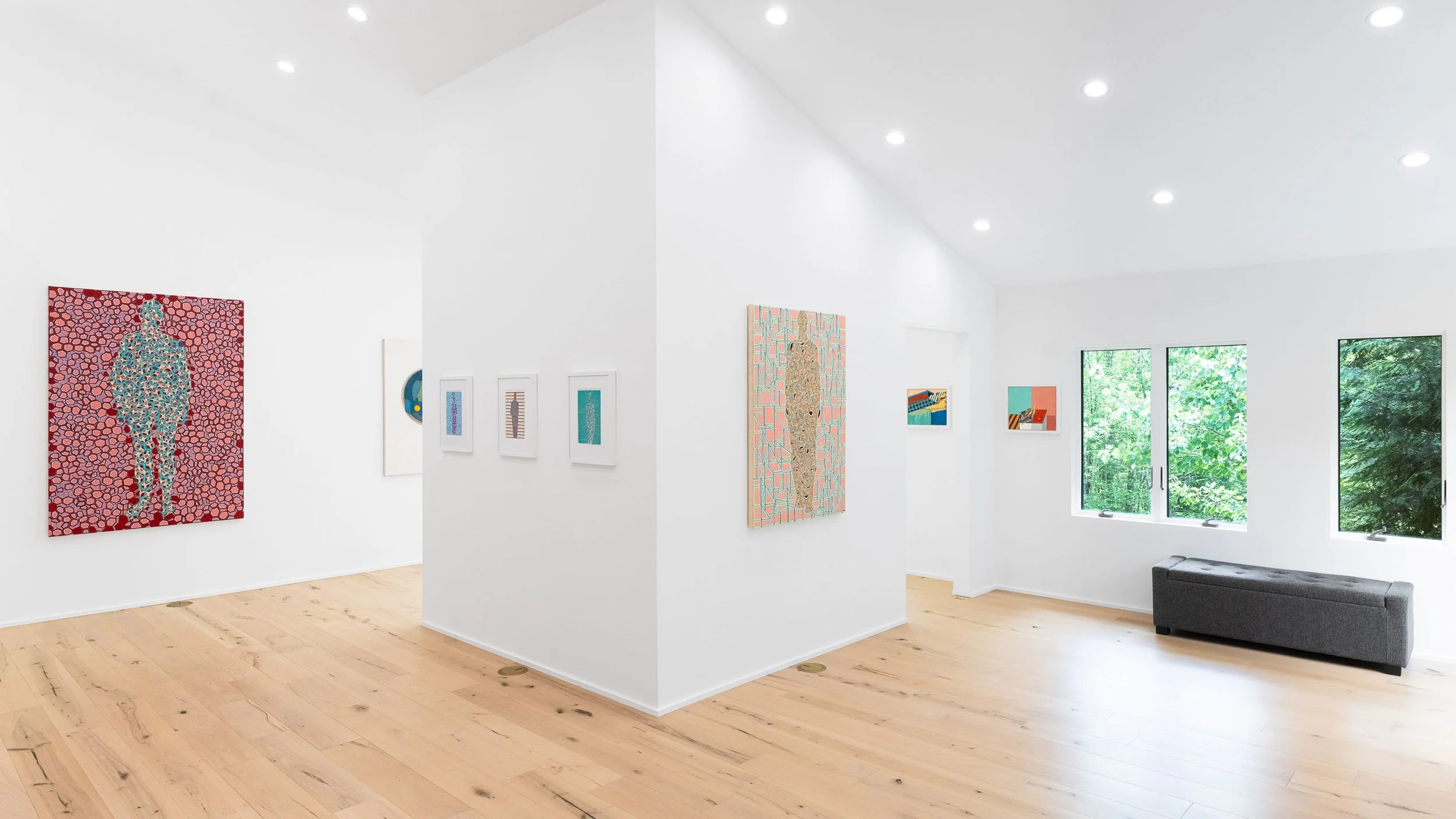
Among his most compelling late works is the Divided Man series, created during his battle with cancer. In these deeply personal paintings, Lynch combined figurative imagery with the abstract forms that had long defined his practice, exploring themes of mortality, resilience, and the fragmentation of self. The series stands as a powerful reflection on the human condition and a poignant culmination of his lifelong artistic inquiry.
Through his thoughtful and innovative approach to painting, Lynch created a lasting legacy that continues to inspire viewers and artists alike.
Selected Works
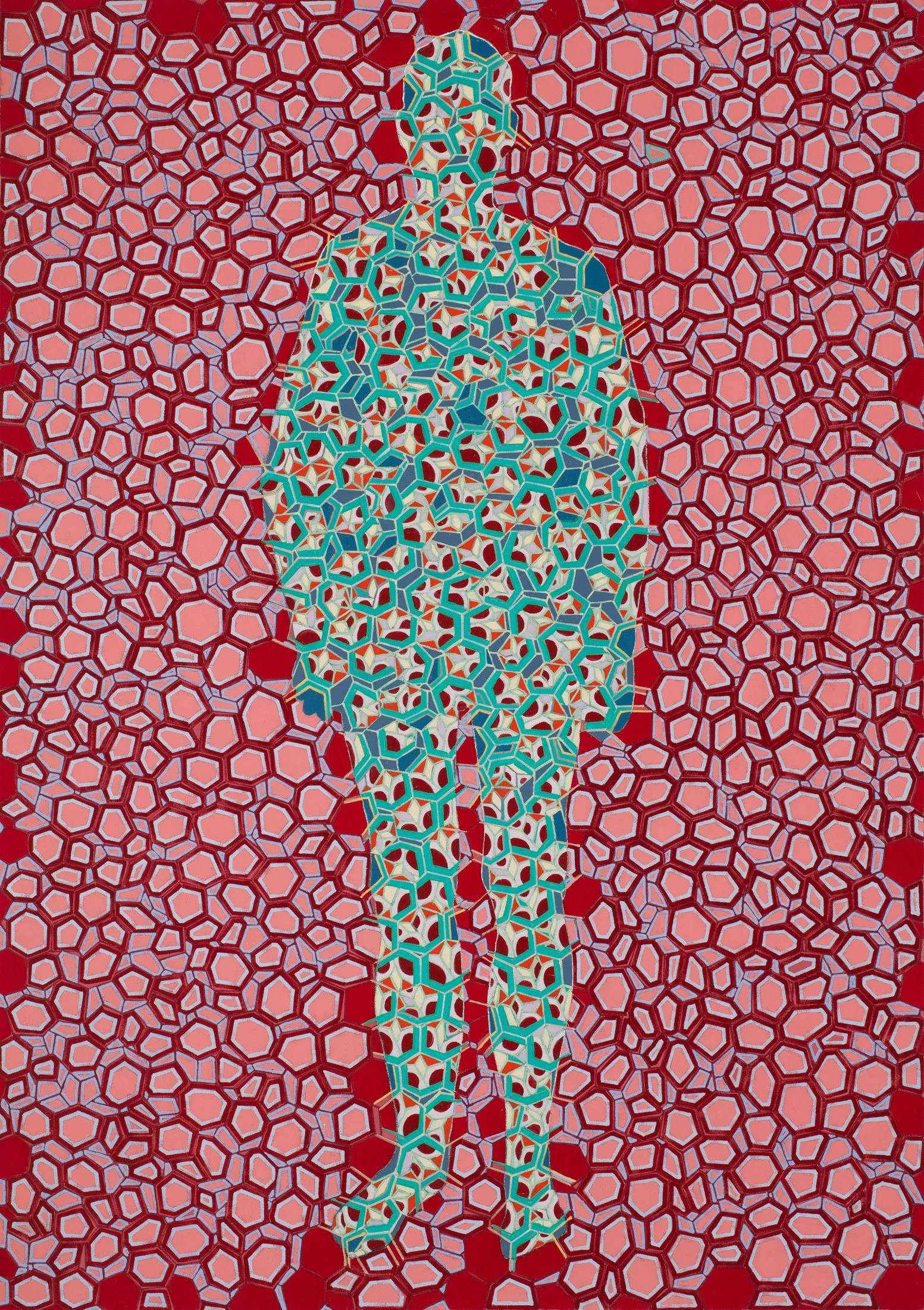
Divided Man 32 — Earthly Only
68 x 48 inches
Oil on canvas
2016
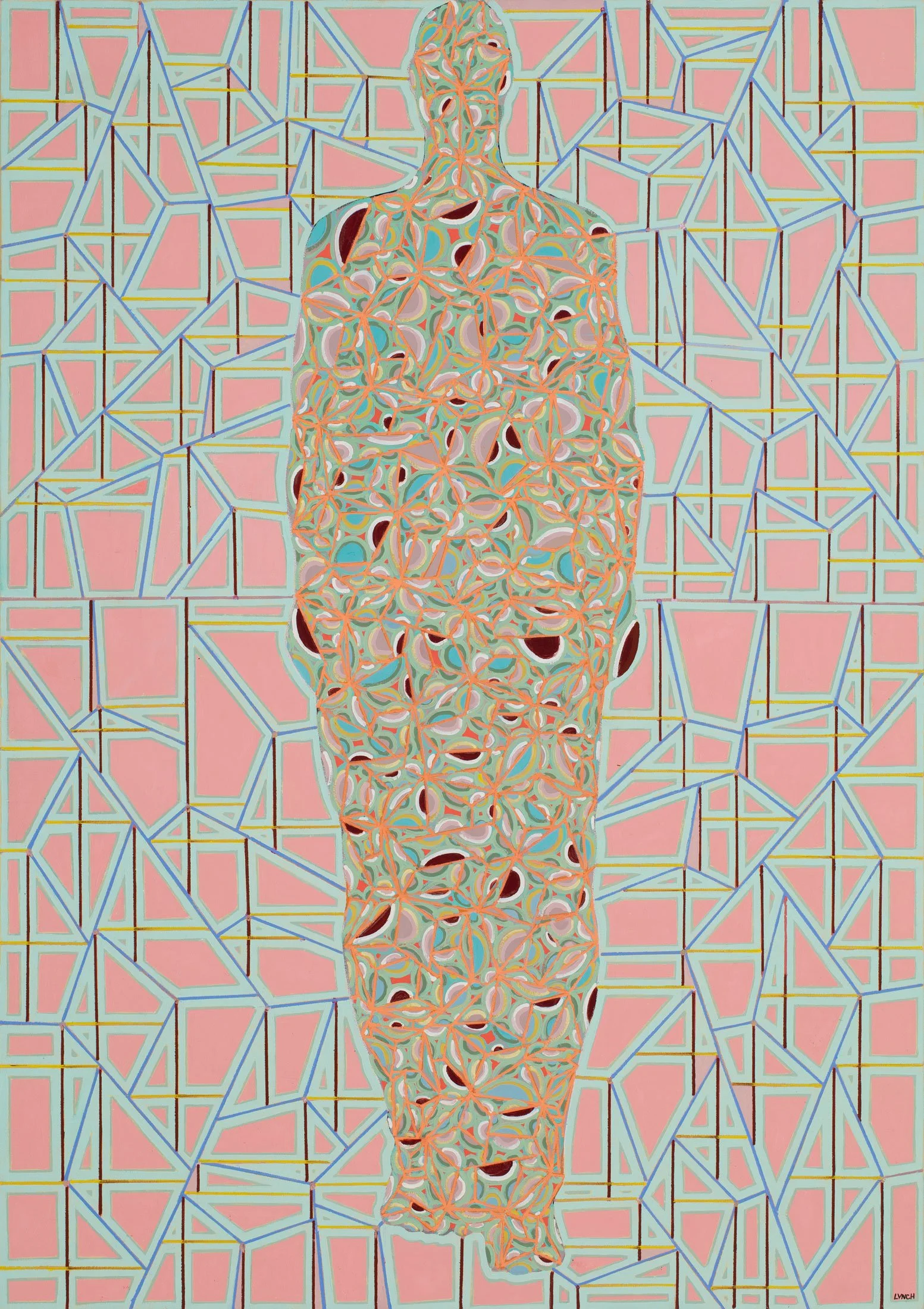
Division Man 26
48 x 34 inches
Oil on canvas
2015
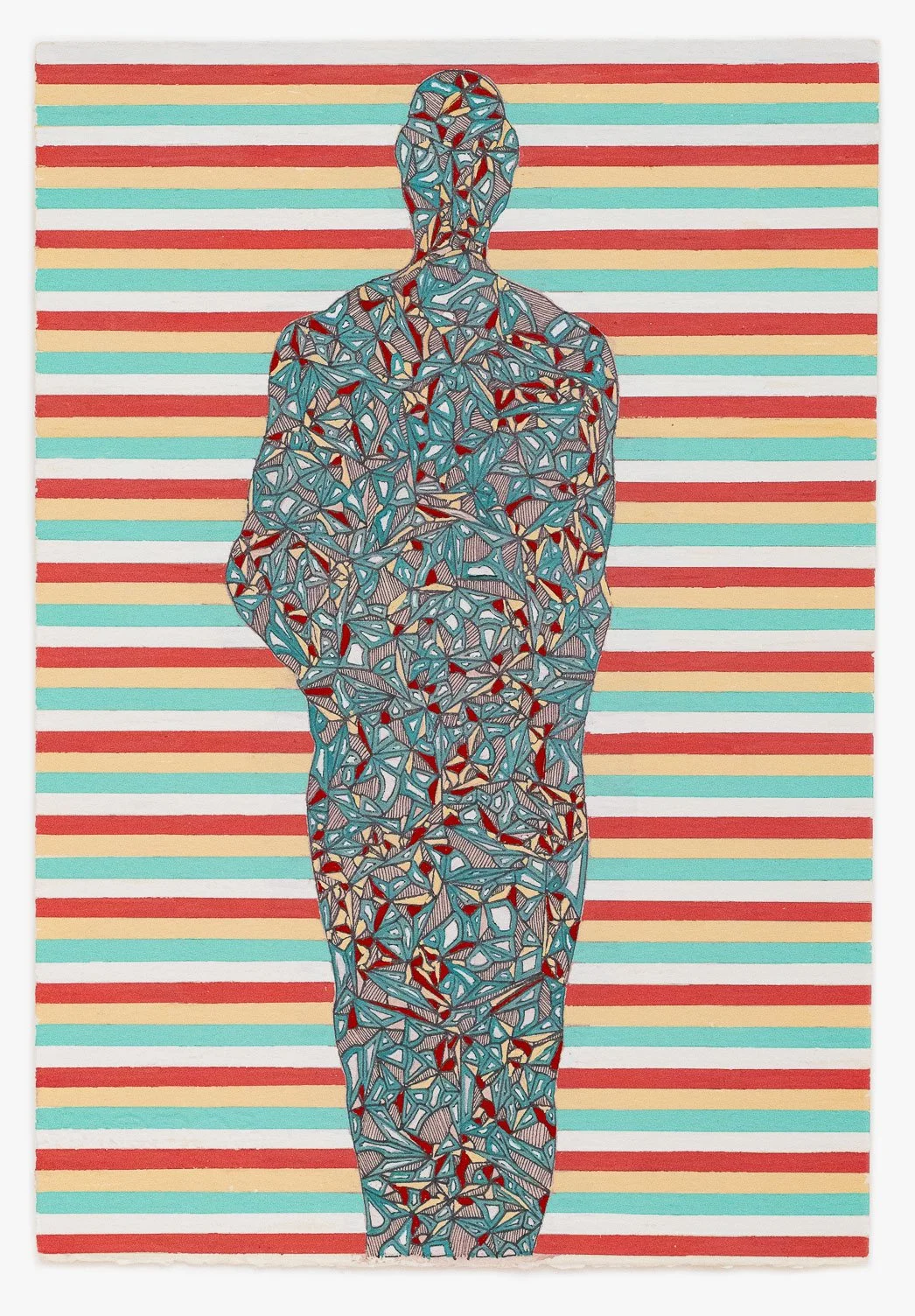
Division Man
11 x 7.5 inches
Gouache on paper
2014
Division Man 11
11 x 7.5 inches
Gouache on paper
2015
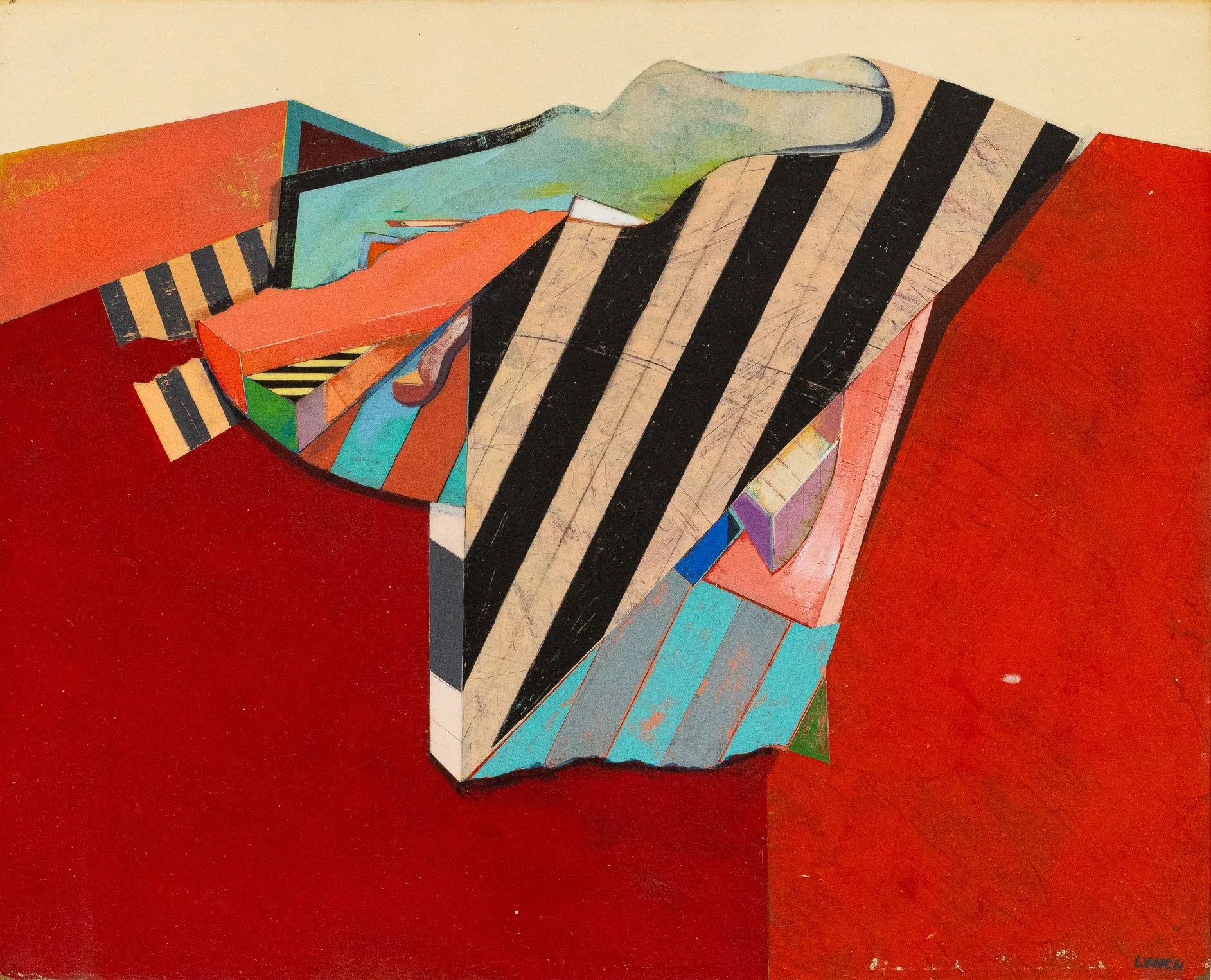
Untitled
11.75 x 14.5 inches
Acrylic on panel
1988
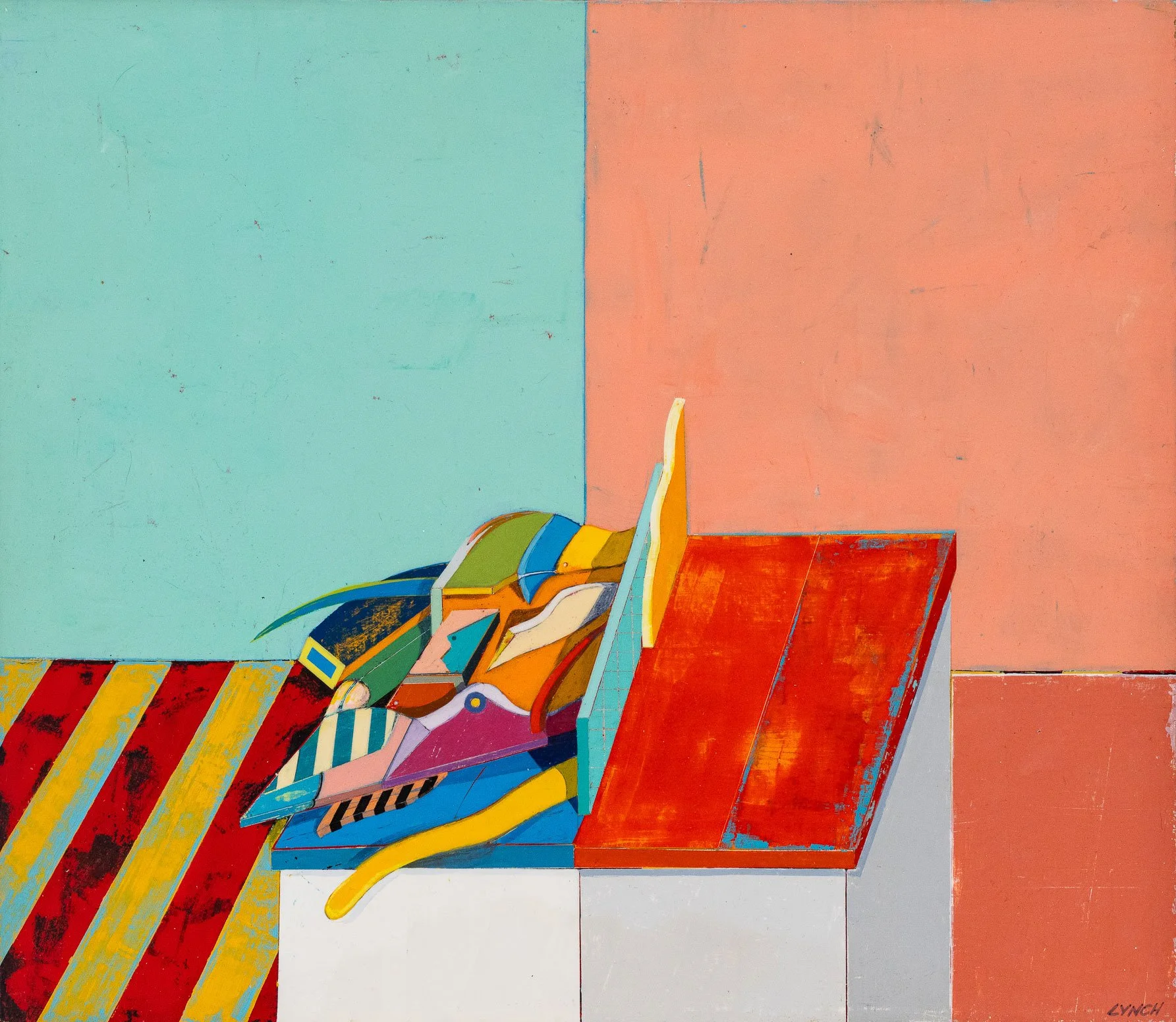
Untitled
13 x 15 inches
Acrylic on panel
1988
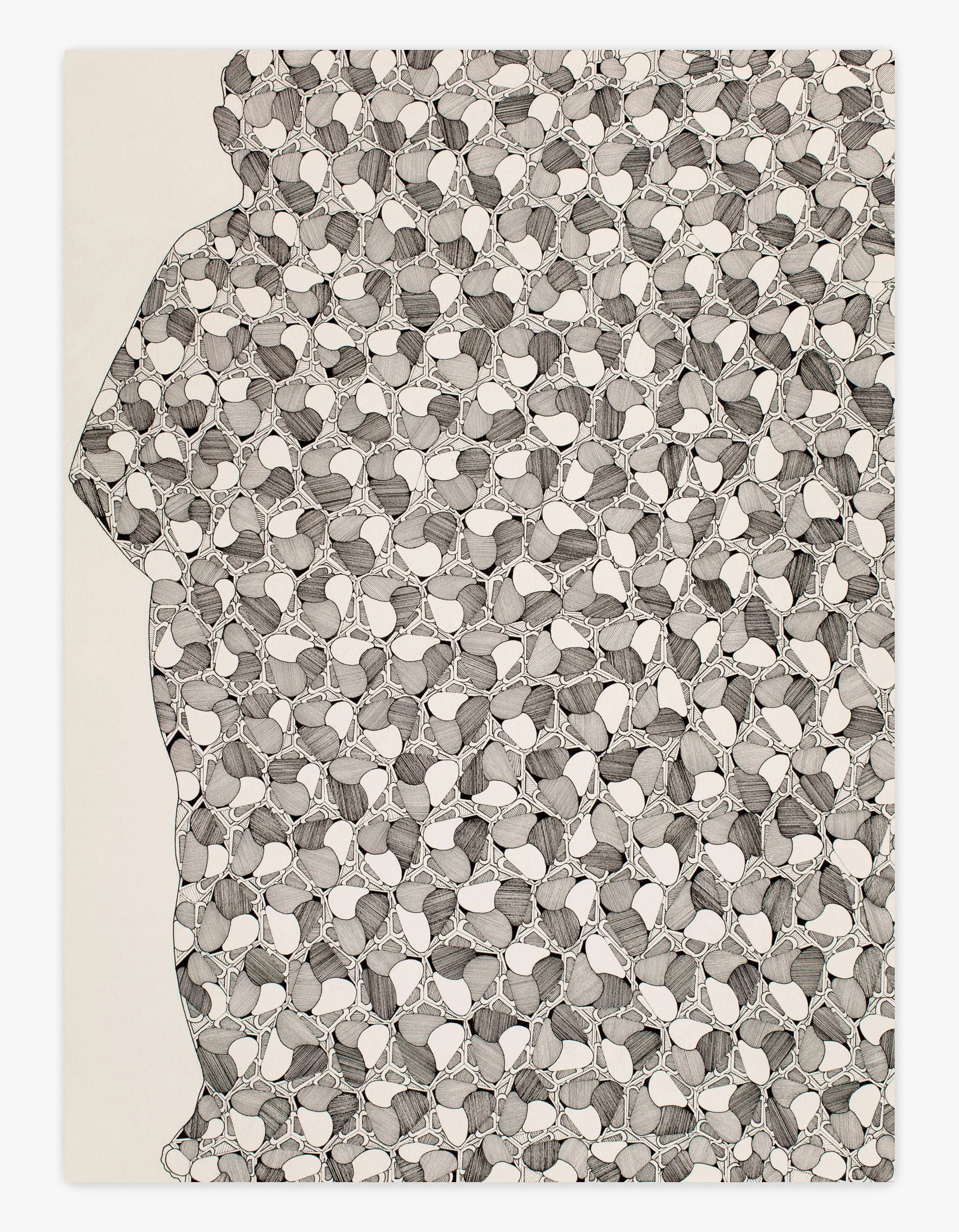
Divided Man Drawing #8
30 x 22 inches
Ink on paper
2016
Divided Man Drawing #9
30 x 22 inches
Ink on paper
2016
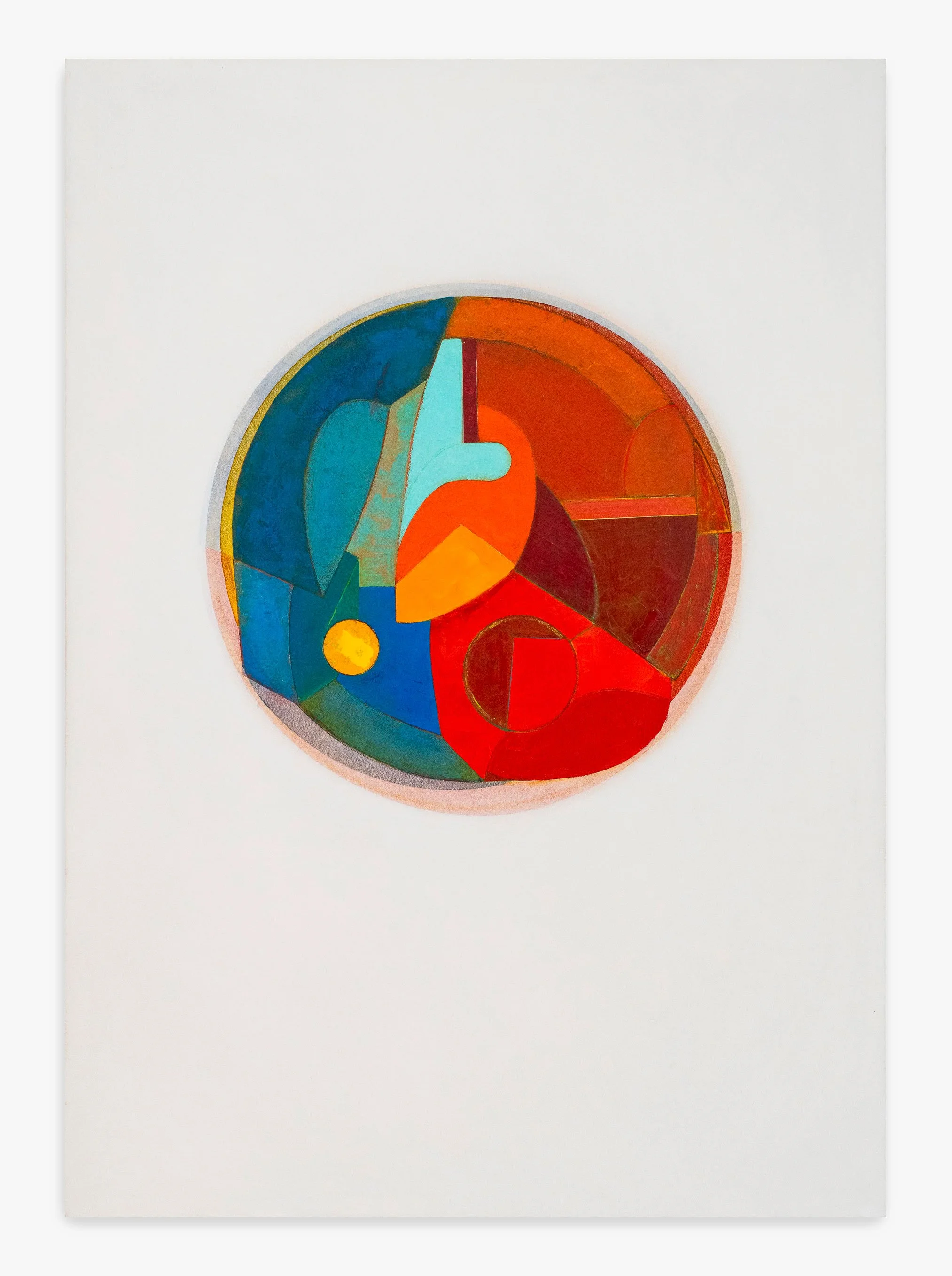
Divided Man Drawing #3
30 x 22 inches
Ink on paper
2016
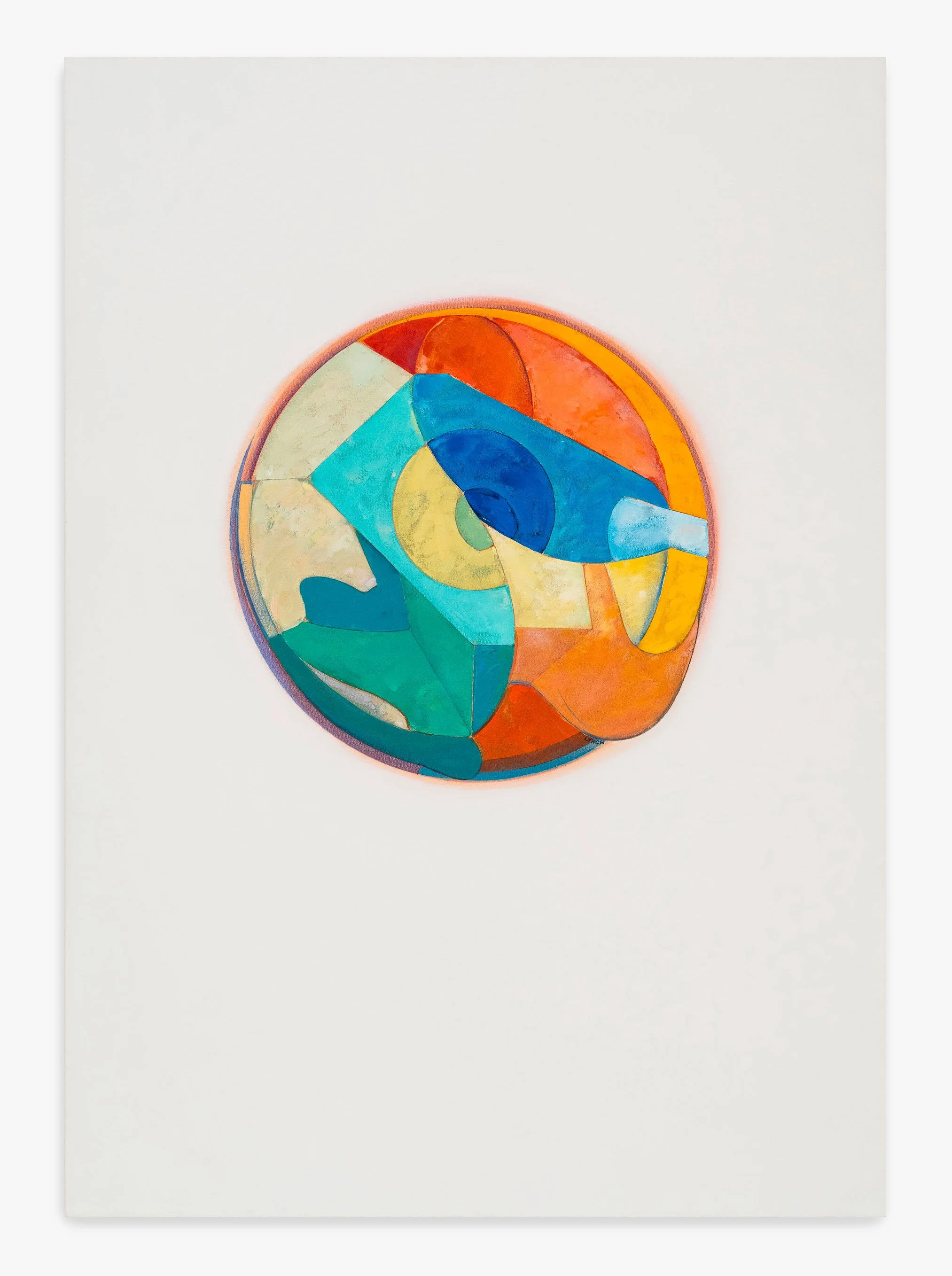
Rotoform (966)
48 x 34 inches
Oil on canvas
1994
Rotoform 25 (1019)
48 x 34 inches
Oil on canvas
1995
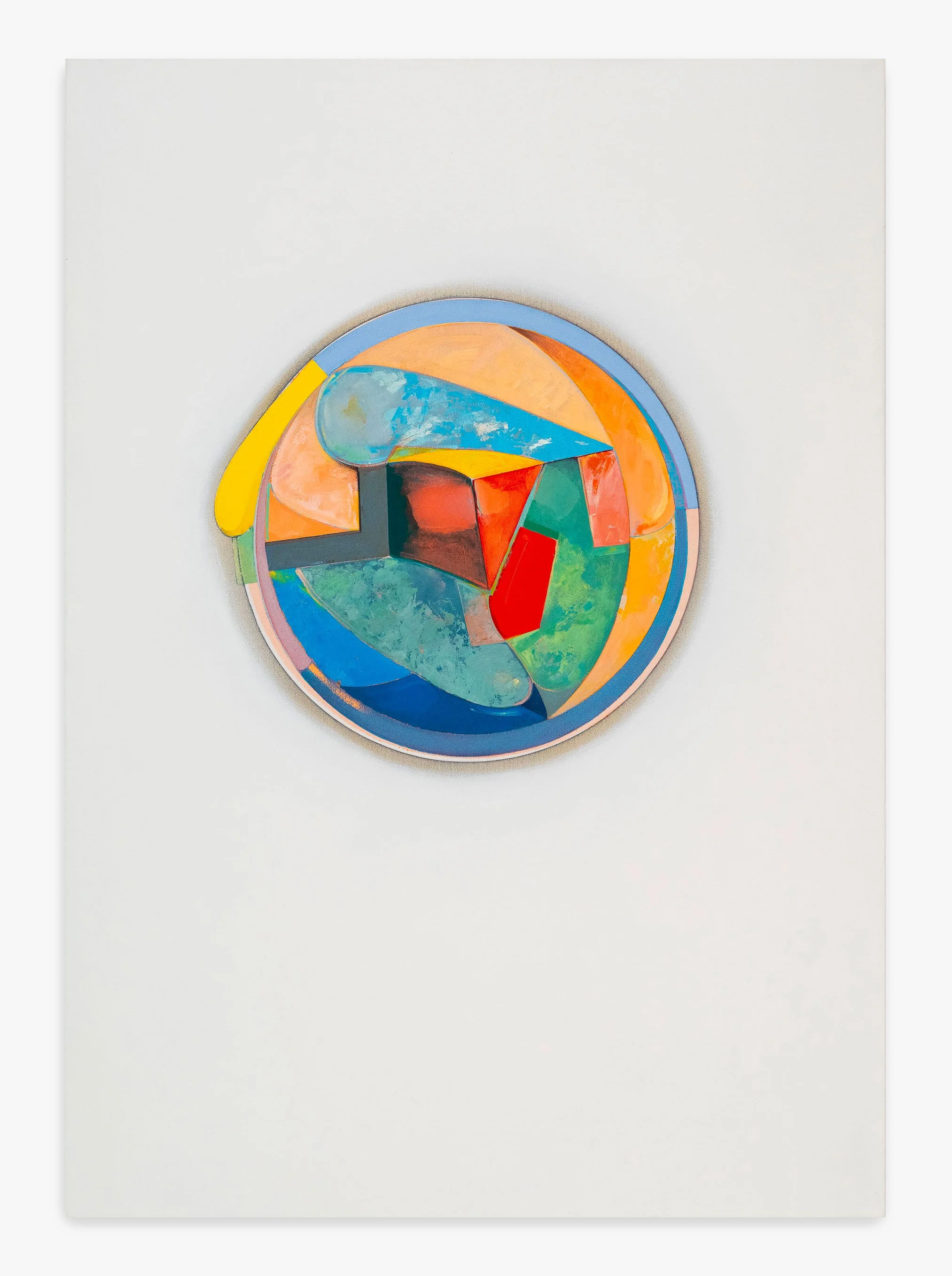
Rotoform 19 (1013)
48 x 34 inches
Oil on canvas
1995
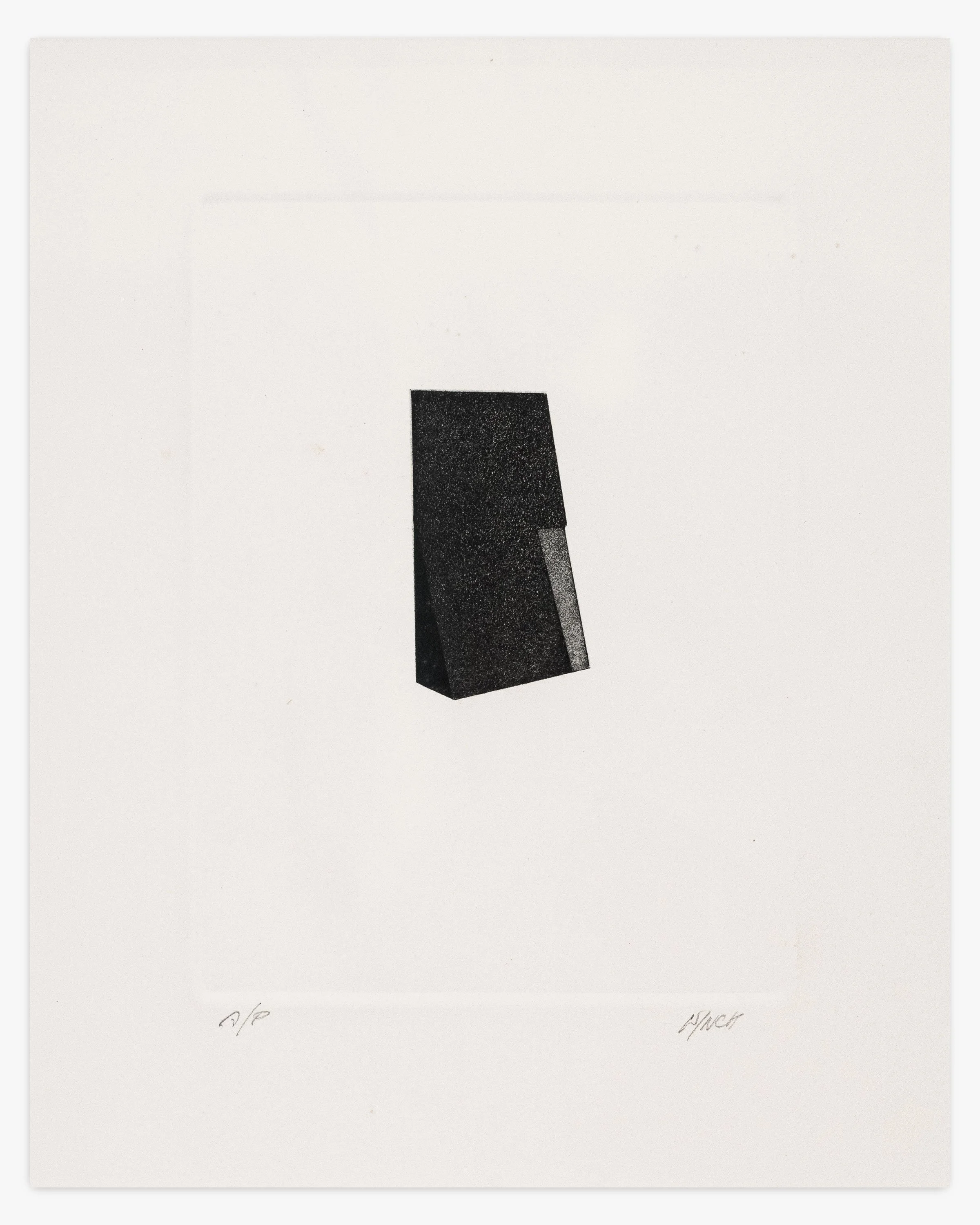
Untitled (41)
12.75 x 10.5 inches
Etching
c. 1980s
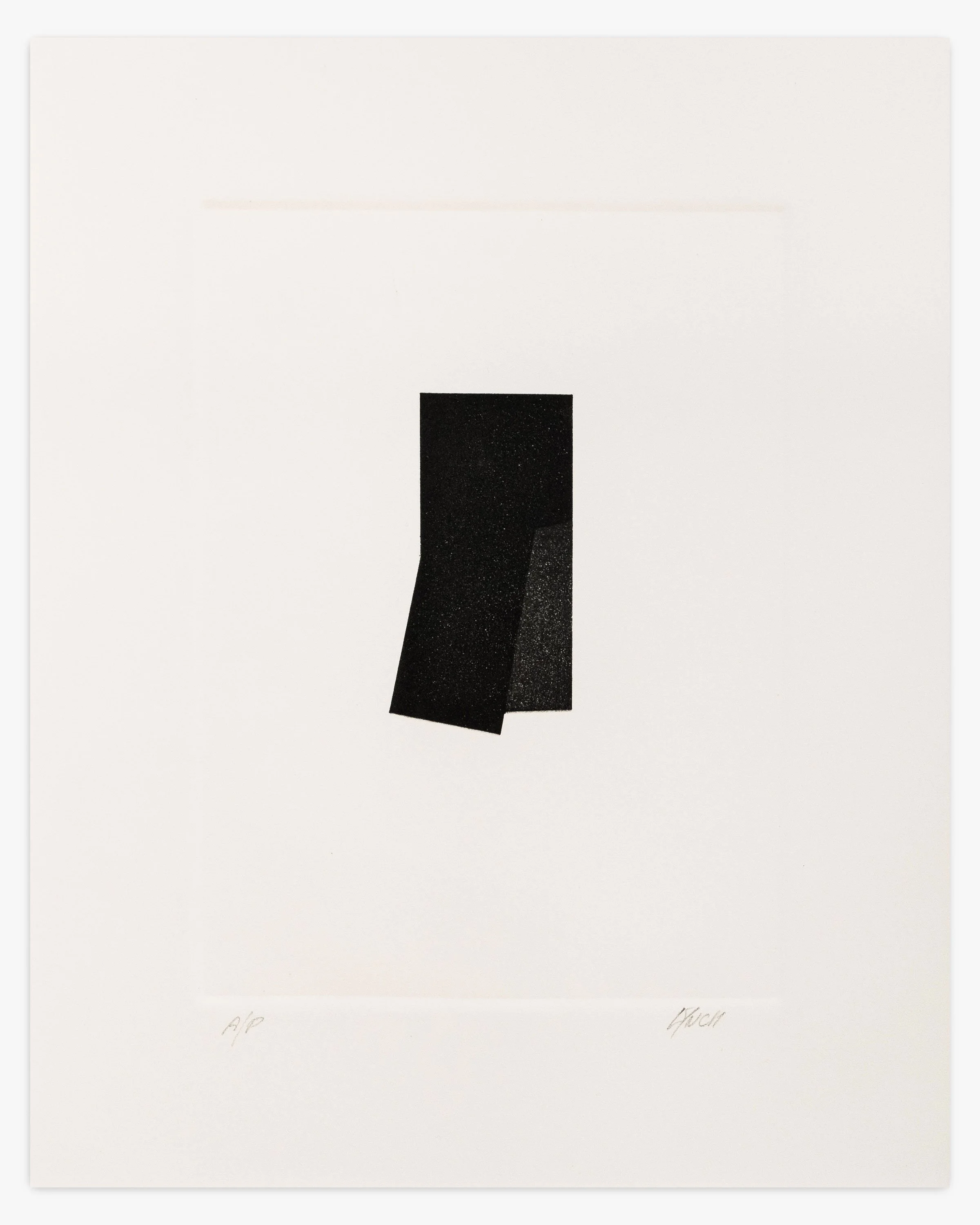
Untitled (42)
12.75 x 10.5 inches
Etching
c. 1980s
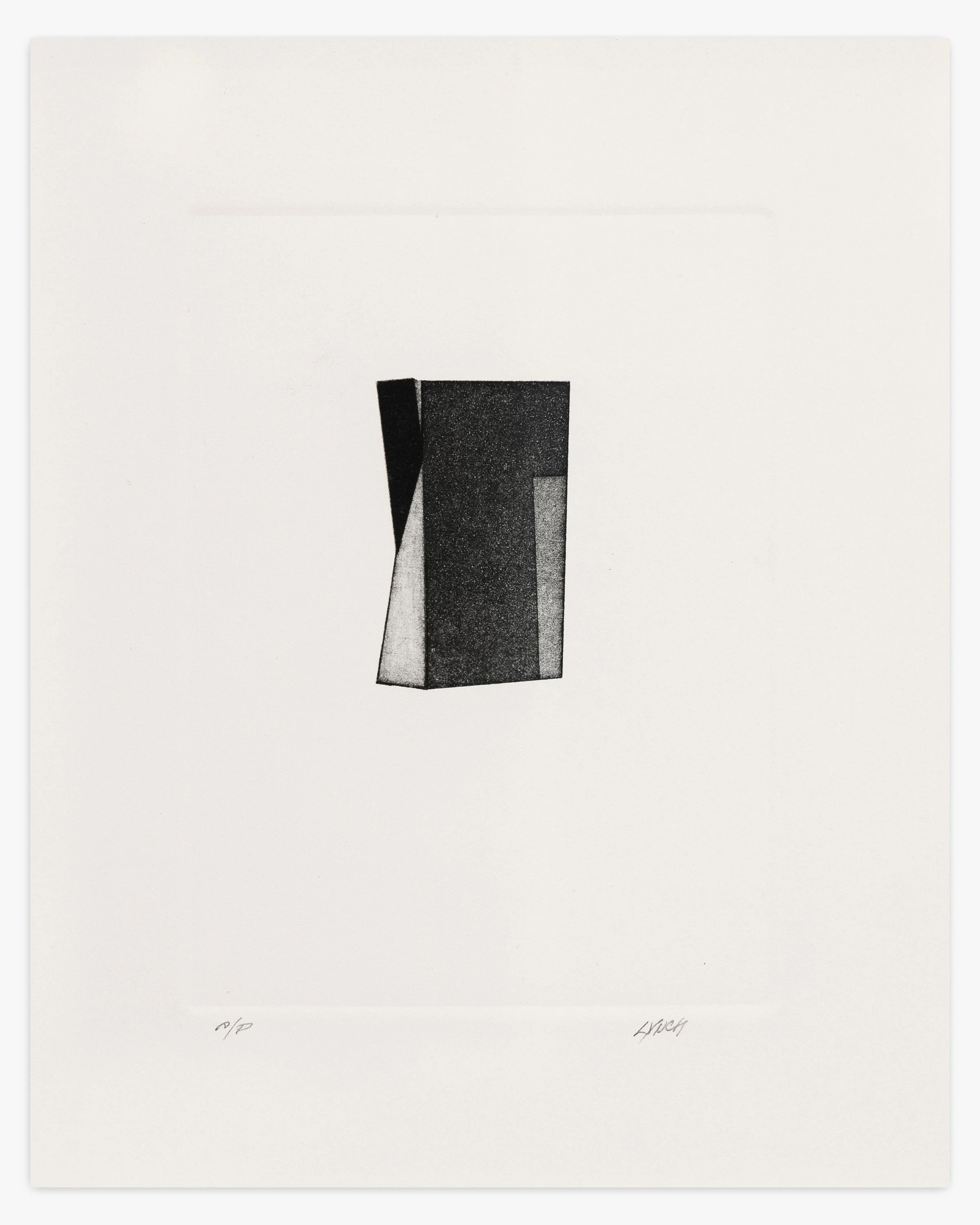
Untitled (43)
12.75 x 10.5 inches
Etching
c. 1980s
exhibits
-
A Solo Exhibition
Frederick Lynch
July 5 – August 16, 2026 [link:/frederick-lynch]
Artist Statement
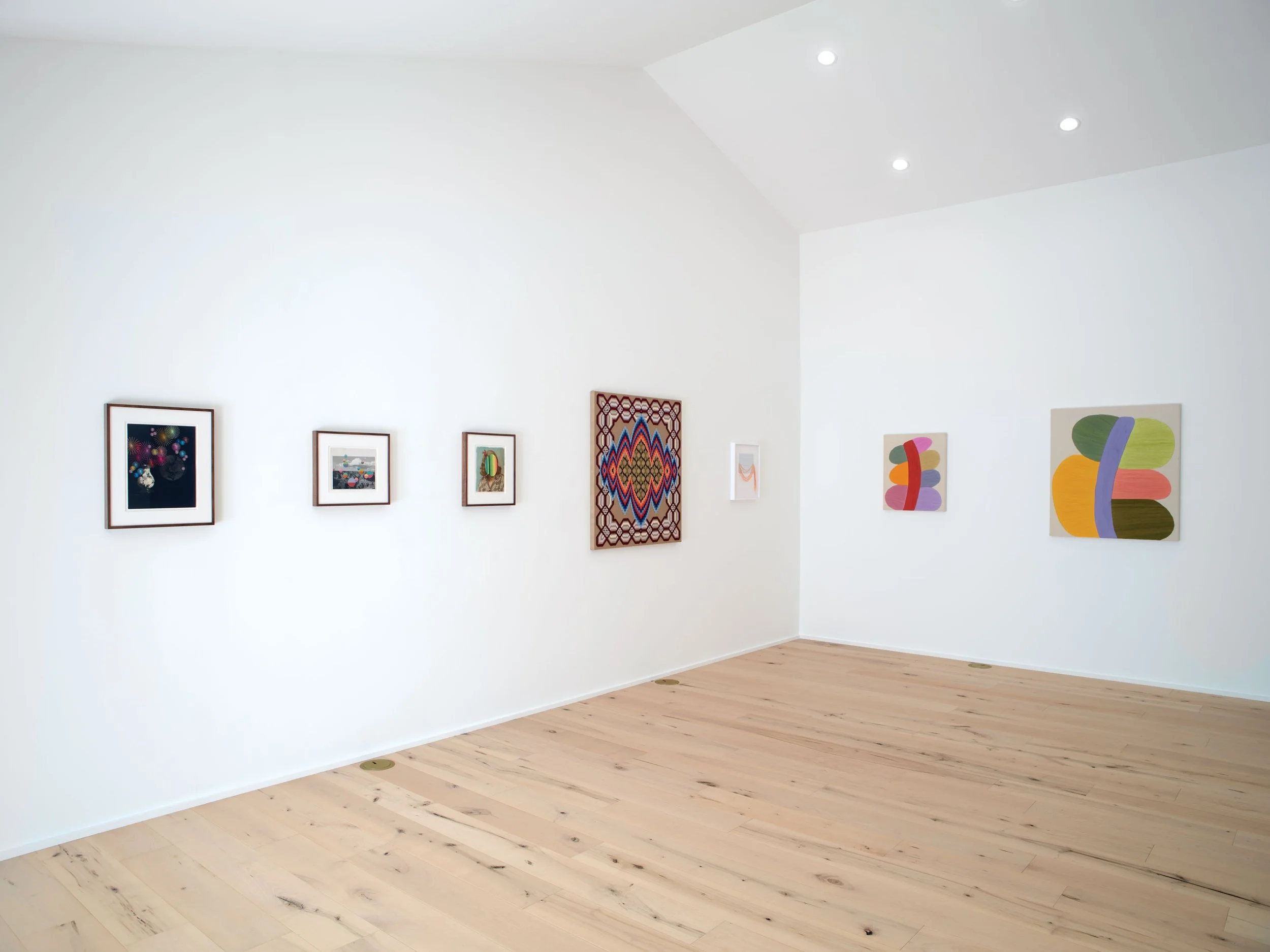
Time is the storyteller’s medium. It can be manipulated, drawn out, exploited — all depending on the artist’s narrative. As both an artist and a writer, time and its parameters are the framework, inherent in everything I make. My abstract narrative-based artworks are appropriated from existing art historical themes, as well as patterns and architecture, then re-channeled through a feminist lens. The works in Storyteller bring together three aspects of my work: painting, stitching and drawing.
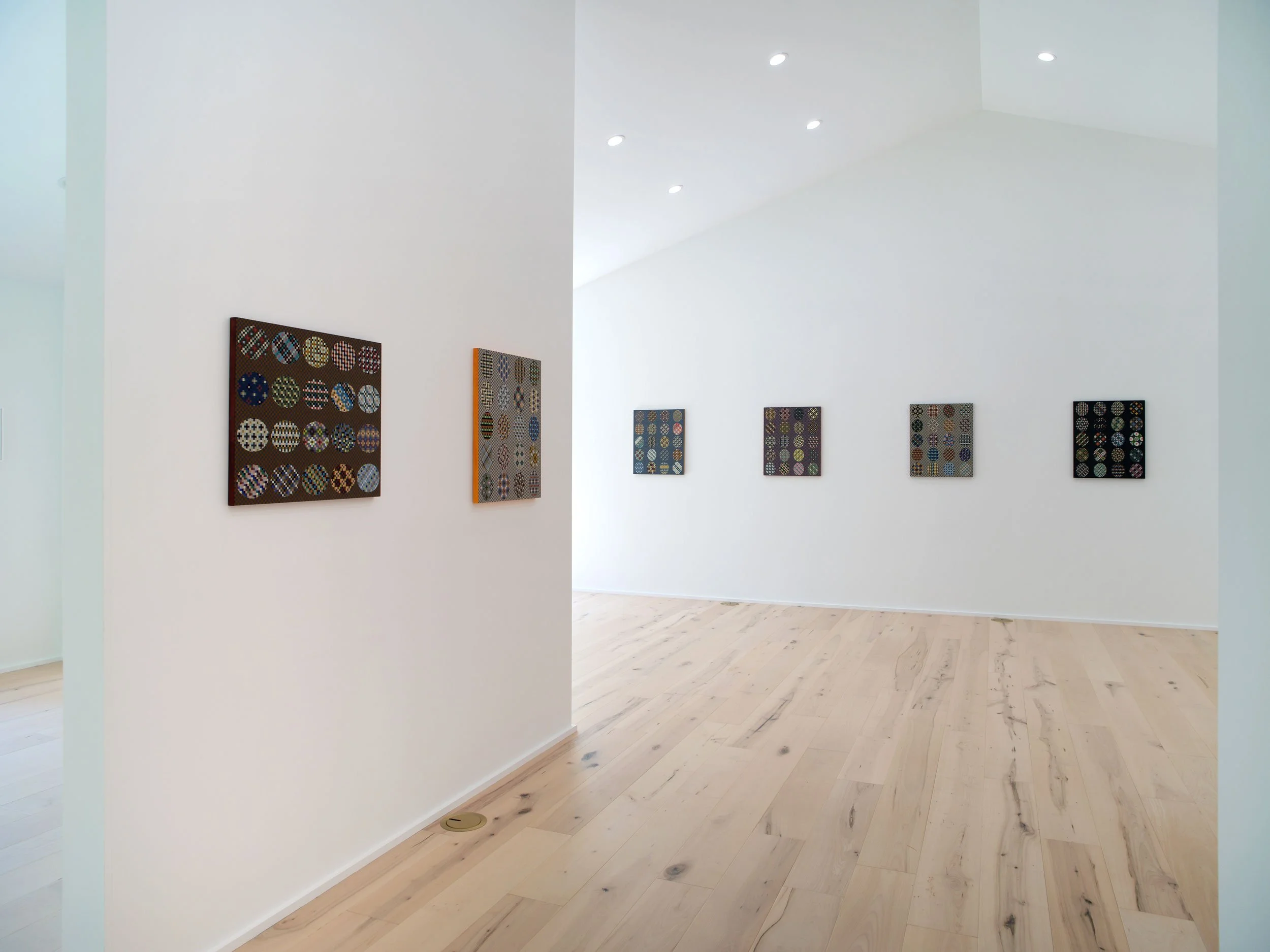
The Male Gaze series uses palettes from pre-existing, well-known paintings that share a familiar motif in art history. Read from left to right, row by row, each painting of twenty ovals is a colorist’s journey through five hundred years (16th century to the 21st) of art history on a specific theme.
In my reimagining of these historic paintings and tropes, I retain only the colors. By matching the palette of the original painting, each individual oval corresponds to a painting by a deceased male artist. I consider the oval to be each male artist’s portrait. Using the grid, I break down the palette into 6-16 colors, where possible retaining proportionality with the source painting. Each oval is not a pixelated version of its source but rather a complete breakdown, reducing the original paintings to nothing but color. What remains is a series of intricately patterned, shimmering ovals.
After all, within the original context, what was the female form but ornament, to begin with? And what is color, but a feminine concern? As Charles Blanc, 19th-century critic and art theorist, wrote: “…design must maintain its preponderance over color. Otherwise, painting speeds to its ruin: it will fall through color just as mankind fell through Eve.” I don't just fall through color. I dive.
When I’m stitching, I am influenced by Rozsika Parker’s book, The Subversive Stitch, which examines how needlework was used to tell stories and pass time through the centuries. More than any other art form, needlework is defined by the amount of time it takes to complete the work.
Though often intricate and meticulous, stitching is also repetitive, laborious and even painful. In The Subversive Stitch, Parker asserts the act of stitching is subversive, giving women the time to think, plan and even plot. Time spent with a needle and thread in my hand is no different. Once I’ve worked out a pattern and the needle is passing in and out of the paper, I’m suddenly plotting and planning, scheming and subverting. The works themselves allude to this.
Inherent in all of the stitch work is a sense of anticipation: a book before it is cracked, a still room, an audience waiting for what’s to come. The Novellas, inspired by traditional book cover design, nod to the plotting and planning of their maker. In the Homestead, Rooms, and Corners series, I’m building sets, floorboard by floorboard, brick by brick, conveying a sense of solid structure, while also imparting the softness of needlework. Equally, I’m interested in the tension of known gender roles present in the work. Brick walls and parquet floors which are traditionally laid by men are, here, stitched by a woman. Agnes’ Room, Eva’s Room and Louise’s Room, inspired by the works of Agnes Martin, Eva Hesse and Louise Bourgeois, are the start of a new series of work, dedicated to female artists who had a subversive relationship with pattern, repetition, domesticity and obsession.
CV
Born: Altoona, PA | 1982
Resides: Portland, ME & London, UK
-
2005–2007
M.F.A. Slade School of Fine Art, UCL, London, UK2000–2004
B.A. Colby College, Waterville, ME, USA -
2023
Storyteller, Sarah Bouchard Gallery, Woolwich, ME2017
Stitched Works, Postalco Shibuya, Tokyo, Japan2014
Settings, FOLEY Gallery, New York, NY
Abstract Personalities, Aucocisco Galleries, Portland, ME2013
Nervous Energy, Kate Russo and Tom Butler, Engine, Biddeford, ME2011
Palimpsest: Kate Russo Paintings, Susan Maasch Fine Art, Portland, ME2010
The Employees, Gallery 333, Exeter Phoenix, Exeter UK2007
On the Revelation of Bricks, Sassoon Gallery, London, UK -
2025
Every Infinitesimal Thought, Sarah Bouchard Gallery, Woolwich, ME2022
You Take the Cake, Sarah Bouchard Gallery, Woolwich, ME
A Gathering of Aces, Sarah Bouchard Gallery, Woolwich, ME2019–2020
Temporality: The Process of Time, Center for Maine Contemporary Art, Rockland, ME2019
Perfection, Able Baker, Portland, ME2018
2019 Flatfile Artists, Tiger Strikes Asteroid, NY
Reverence to the Thread, Portland Public Library, Portland, ME2017
People Watching: Then and Now, Fitchburg Art Museum, Fitchburg, MA
Install 12, Corey Daniels Gallery, Wells, ME
Referent: John Franklin, Matthew King, Andrew Mowbray and Kate Russo, Room83Spring, Watertown, MA2016
Maine Biennial, Curated by John Yau and Christine Berry, Center for Maine Contemporary Art, Rockland, ME
Currents: “Do You Hear What I Hear?” Curated by Anthony Elms, A.I.R. Gallery, New York, NY2015
Delicate Creatures, FOLEY Gallery, New York, NY
Creekside Open 2015, selected by Richard Deacon, APT Gallery, London, UK
Creekside Open 2015, selected by Lisa Milroy, APT Gallery, London, UK2013–2014
NN Open Biennial, NN Contemporary, Northampton, UK2013
Emerging Artists, Ogunquit Museum of American Art, Ogunquit, ME
Sublime Monotony, Aarhus Gallery, Belfast, ME2012
Zeitgeist (ZAP) Open, London, UK
Maine Biennial, Center for Maine Contemporary Art, Rockport ME
DÉCOR, University of Maine, Farmington, Art Gallery, ME2011
Art to Collect Now, Center for Maine Contemporary Art, Rockport, ME2010
Gallery Artists: Small Works, Susan Maasch Fine Art, Portland, ME
Ludlow Summer Show, Ludlow, UK
Things Have Changed, Birdwood House Gallery, Totnes, UK
Kate Russo and Tom Butler, The Flavel Art Centre, Dartmouth, UK2009
10 Artists, The Old Schoolhouse, Ludlow, UK
Open Drawing Competition, The Plough, Great Torrington, UK
Jerwood Drawing Prize, London and touring exhibition through 2010 Drawn In, Sidcot Arts Centre, Winscombe, Somerset, UK2008
Wrapped and Encased at Liverpool 08, The Artist’s Book Fair, Liverpool, UK
I Know the Crayon I Hold in My Hand is Blue, Tricycle Gallery, London, UK2007
M.F.A. Final Exhibition, Slade School of Fine Art2006
Scene One: In the Offing, Sassoon Gallery, London, UK
Nationwide Mercury Prize Student Art Exhibition, Hospital Gallery, London, UK2005
Open Studios, Slade Painters, Great Western Studios, London, UK2004
Senior Show (B.A. Exhibition), Colby College Museum of Art, ME -
2009
Shortlist, Jerwood Drawing Prize, UK2007
Henry Tonks Prize for drawing, Slade School of Fine Art, UK
Shortlist, Celeste Art Prize, UK2006
Shortlist, Celeste Art Prize, UK
Finalist (Highly Commended), Nationwide Mercury Prize Student Art Competition, UK2004
Senior Art Show Purchase Prize, Colby College, ME -
2021
”Side by Side: The Art and Writing of Kate Russo,” Nancy Gordon, Creative Maine, September (online)2019
“Skillfully Curated: Able Baker Exhibition Explores Perfection”, Daniel Kany, The Portland Press Herald, February 172018
Featured Visual Artist, The Maine Review, Fall2016
“The Biennial at Center for Maine Contemporary Art deliciously flawed and fresh”, Daniel Kany, The Portland Press Herald, November 132014
“Seasonally Affective: Two young painters exhibit devotion to form”, Nicholas Schroeder, The Portland Phoenix, March 282012
“Biennial Backs Up Good Look with Visceral Subtext”, Daniel Kany, The Portland Press Herald, October 21
“CMCA Biennial Exhibition 2012”, Suzanne Volmer, Artscope, 46-47, Fall
“Sorting Through the CMCA’s Biennial”, Nicholas Schroeder, The Portland Phoenix, October 10
“Divergent Vision, Complimentary Skills for Rockland Artist Couple”, Emily Burnham, Bangor Daily News, October 13
Interventions, accompanying artwork with stories by Richard Russo
“Mixed Use,” The Canvas, Maine Home and Design, May2011
Current Work, The Art Issue, Maine Home and Design, April2005
Nationwide Mercury Prize 2006 Album of the Year, Album Sleeve -
2018
Young Space, Artist Interview2014
Dirty Laundry, “Horror Vacui” by Kate Russo2013
Buy Some Damn Art, “Sitting Still” Online Exhibition2012–present
Artist Registry, The Drawing Center Viewing Program.2012
Big, Red and Shiny
Two Serious Ladies
Jealous Curator
Juxtapoz
Booooooom
Hound2009
Amelia’s Magazine -
2020
Guest Critic, Bowdoin College – Drawing II2019
Guest Critic, Bowdoin College – Senior Visual Arts Majors Critiques2018
Guest Critic, Bowdoin College – Senior Visual Arts Majors Critiques2017
Artist Talk, Maine College of Art – Class on Abstract Portraiture
Artist Talk, Fitchburg Museum of Art
Guest Critic, Bowdoin College – Painting II Course
Guest Critic, Bowdoin College – Senior Visual Arts Majors Critiques2016
Guest Critic, Bowdoin College – Abstract Art Course2012
Biennial Artist Talk “Who Do You Love?” CMCA, Rockport, ME2010–11
Workshop on Pattern, The Community School, Camden, ME2003
John Marin and the Steiglitz Circle, Colby College Museum of Art, ME
Press
Inquire
To inquire about available works or learn more about Kate Russo, please get in touch.